Blog
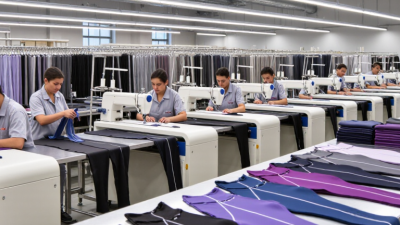
Top Leggings Manufacturers for Global Buyers
Leggings Manufacturing is moving from basic cut-and-sew production toward technical, data-led performance wear. Global buyers now examine fabric recovery, opacity, seam strength, moisture control, and delivery consistency. Small details matter. A waistband that rolls after three washes can damage an entire private-label launch.
Market estimates show strong commercial momentum. Fortune Business Insights valued the global leggings market at approximately US$39.93 billion in 2023. It projects the market to reach about US$57.87 billion by 2030. Grand View Research also identifies rising athleisure adoption as a major growth driver. However, market figures vary between research firms. Buyers should treat forecasts as direction, not certainty.
Material decisions require closer attention. Textile Exchange’s Materials Market Report 2024 reported that polyester remained the most widely produced fiber globally in 2023. Recycled inputs are increasing, yet traceability remains uneven across supply chains. This gap matters when factories promote recycled nylon, certified spandex, or low-impact dyeing without clear documentation.
Sheng Lu, an associate professor of fashion and apparel studies, has stated, “The apparel industry is highly globalized and interconnected.” His observation explains why factory selection cannot rely on price alone. Production capacity, audit history, laboratory testing, worker safety, and communication speed all influence reliability.
Some manufacturers look impressive online. That is not enough. Experienced buyers request pre-production samples, fabric test reports, stitching inspections, and shipment records before committing. The best suppliers usually explain weaknesses openly. No factory is perfect. A thoughtful comparison of leading leggings manufacturers helps global buyers balance performance, cost, compliance, and long-term trust.
Read more »
 By:Ethan
- October 8, 2026
By:Ethan
- October 8, 2026
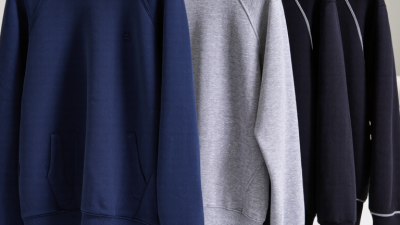
Why Choose Sweatshirt Manufacturing for Your Brand?
Choosing Sweatshirt Manufacturing can give your brand more control over quality, fit, and customer experience. Instead of relying on generic wholesale designs, you can develop garments around your audience’s needs. A heavier fleece may suit winter markets, while a lighter cotton blend can support year-round collections. Small details matter, too. Ribbed cuffs, reinforced seams, accurate sizing, and soft inner brushing can influence repeat purchases.
Reliable manufacturing begins with clear communication and practical evaluation. Experienced production teams can guide fabric selection, pattern development, sampling, and quality checks. They should explain minimum order quantities, production timelines, testing procedures, and possible limitations before you commit. A physical sample is essential. It may reveal uneven stitching, a tight neckline, or a fit that looks different from the original sketch.
No supplier is perfect.
That is worth remembering. Even a carefully planned order may need revisions after washing, printing, or fitting. Strong brands respond by documenting changes and checking each production stage. They also confirm fabric composition, color consistency, packaging details, and delivery expectations in writing. This approach supports dependable sourcing and protects your brand’s reputation over time. When selected thoughtfully, Sweatshirt Manufacturing becomes more than a production method. It becomes a way to build recognizable products, improve customer trust, and create a collection with measurable commercial value. The process requires patience, honest feedback, and decisions based on evidence rather than attractive promises.
Read more »
 By:Clara
- October 3, 2026
By:Clara
- October 3, 2026
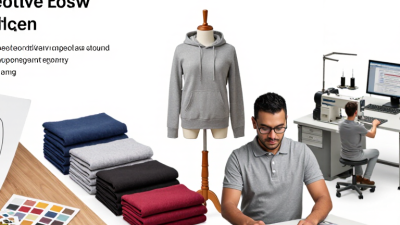
What Is Custom Hoodie Manufacturing and How Does It Work?
Custom Hoodie Manufacturing turns a design idea into a wearable product through choices about fabric, fit, decoration, and production. For a brand, the process may begin with a sketch, a reference garment, or a detailed product brief. The manufacturer then helps translate those ideas into specifications, including measurements, fabric weight, color, stitching, and print or embroidery placement. Small details matter. A ribbed cuff that feels too loose or a hood that sits awkwardly can change how the finished hoodie looks and wears.
The work usually moves from design development to material selection, sampling, revisions, and bulk production. A sample gives the team a chance to check the fit, fabric hand, color, and construction before approving larger quantities. After approval, production teams cut and sew the garments, apply decorations, and inspect finished pieces for visible defects and consistency. A reliable process depends on clear communication and written specifications, not assumptions. Still, production can reveal issues that were not obvious on screen or in a first sample. That uncertainty deserves attention. This guide explains how each stage works, what information manufacturers need, and where thoughtful checks can help prevent costly surprises. It also considers practical trade-offs, such as choosing a heavier fabric without making the hoodie uncomfortable for everyday wear.
Read more »
 By:Elowen
- September 28, 2026
By:Elowen
- September 28, 2026

How to Find Top China Private Label Apparel Manufacturers?
Finding top China private label apparel manufacturers requires more than comparing prices on a supplier directory. The right partner must turn your sketches into consistent garments, communicate clearly, and protect quality from sample room to final inspection. This is the real challenge of Private Label Apparel Manufacturing.
A polished website proves little. Factory evidence matters more. Look for clear production photographs, verifiable certifications, realistic minimum order quantities, and detailed fabric information. Ask who cuts, sews, finishes, and inspects each garment. A reliable manufacturer should explain its process without hiding behind vague promises. Request samples with measurable specifications, including fabric weight, shrinkage, stitching density, colorfastness, and fit tolerance. Small details become expensive problems later.
Orsola de Castro, co-founder of Fashion Revolution, said, “The most sustainable garment is the one already in your wardrobe.” Her statement highlights an important sourcing lesson: durability begins with manufacturing decisions. Strong seams, responsible materials, accurate sizing, and careful quality control reduce waste after launch. Still, no supplier is perfect. Even experienced factories can miss a detail, especially during busy seasons. Build written checkpoints into the relationship, and allow time for corrections.
This guide explains how to compare Chinese manufacturers, validate their capabilities, and identify warning signs before placing a serious order. It also examines communication, production capacity, ethical standards, payment terms, and quality assurance. The goal is not the cheapest supplier. It is a dependable production partner that can support your brand’s growth.
Read more »
By:Elowen
- September 21, 2026

10 Tips for Custom T Shirt Manufacturing Buyers?
Custom T-Shirt Manufacturing is moving from simple logo printing toward faster, more responsible, data-led production. Buyers now compare fabric weight, shrinkage, color accuracy, minimum order quantities, and delivery reliability before approving a sample.
Grand View Research valued the global custom T-shirt printing market at approximately USD 5.09 billion in 2023. It projects an 11.1% compound annual growth rate from 2024 to 2030. These figures suggest strong demand, but growth does not remove purchasing risks. A cheap quotation can hide weak stitching, unstable sizing, or expensive rework.
Mark Coudray, a recognized decorated-apparel consultant, offers a practical warning: “The customer doesn’t care how you make it; they care how it looks and feels.” That principle matters during supplier evaluation. A buyer should inspect the collar recovery, rub the printed surface, and wash-test the shirt before placing a large order.
Small details become expensive quickly.
This guide presents 10 tips for Custom T-Shirt Manufacturing buyers. It focuses on supplier verification, material selection, decoration methods, sampling, pricing, quality control, and delivery planning. It also considers ethical sourcing and transparent communication, because responsible production affects brand trust.
No checklist can predict every factory problem. That is the uncomfortable part. Even a polished sample may not represent mass production. Buyers should therefore request batch photos, production records, and clear replacement terms. A little doubt is useful here. Careful questions often protect both the budget and the final customer experience.
Read more »
By:Ethan
- September 21, 2026

Why Choose Cut and Sew Clothing Manufacturing?
Fashion buyers increasingly need control over fit, fabric, and production timing. That need explains the continuing relevance of Cut and Sew Clothing Manufacturing. It transforms design files and selected materials into constructed garments through cutting, stitching, pressing, and inspection. Unlike purely finished-product sourcing, it lets brands adjust seams, labels, pockets, and measurements before larger production runs. The benefit is tangible. A sample jacket can reveal sleeve torque, puckering, or weak bartacks during real handling.
Industry data supports a closer examination of production choices. Textile Exchange’s Materials Market Report 2024 recorded 124 million tonnes of global fiber production in 2023. It projects production could reach 160 million tonnes by 2030. That scale makes material selection, cutting efficiency, and waste measurement commercially important. McKinsey and The Business of Fashion’s State of Fashion 2025 describes cautious demand and continuing pressure on margins. In that environment, manufacturing decisions cannot rest on attractive sketches alone.
Cut and sew can support smaller pilot runs and practical fit corrections. Results still depend on factory capability and technical communication. A technical pack may specify stitch density, seam allowance, shrinkage tolerance, and approved measurements. Yet no report can replace physical testing. Factories sometimes miss details. Experienced teams therefore combine documented standards with in-line inspection and honest post-sample review. This article examines why Cut and Sew Clothing Manufacturing remains useful for brands seeking control, adaptability, and dependable quality. It also considers its limits, including sampling costs, minimum orders, and production complexity. Mistakes remain possible, but visible mistakes are easier to correct.
Read more »
By:Clara
- September 21, 2026