0%

Custom Hoodie Manufacturing turns a design idea into a wearable product through choices about fabric, fit, decoration, and production. For a brand, the process may begin with a sketch, a reference garment, or a detailed product brief. The manufacturer then helps translate those ideas into specifications, including measurements, fabric weight, color, stitching, and print or embroidery placement. Small details matter. A ribbed cuff that feels too loose or a hood that sits awkwardly can change how the finished hoodie looks and wears.

The work usually moves from design development to material selection, sampling, revisions, and bulk production. A sample gives the team a chance to check the fit, fabric hand, color, and construction before approving larger quantities. After approval, production teams cut and sew the garments, apply decorations, and inspect finished pieces for visible defects and consistency. A reliable process depends on clear communication and written specifications, not assumptions. Still, production can reveal issues that were not obvious on screen or in a first sample. That uncertainty deserves attention. This guide explains how each stage works, what information manufacturers need, and where thoughtful checks can help prevent costly surprises. It also considers practical trade-offs, such as choosing a heavier fabric without making the hoodie uncomfortable for everyday wear.
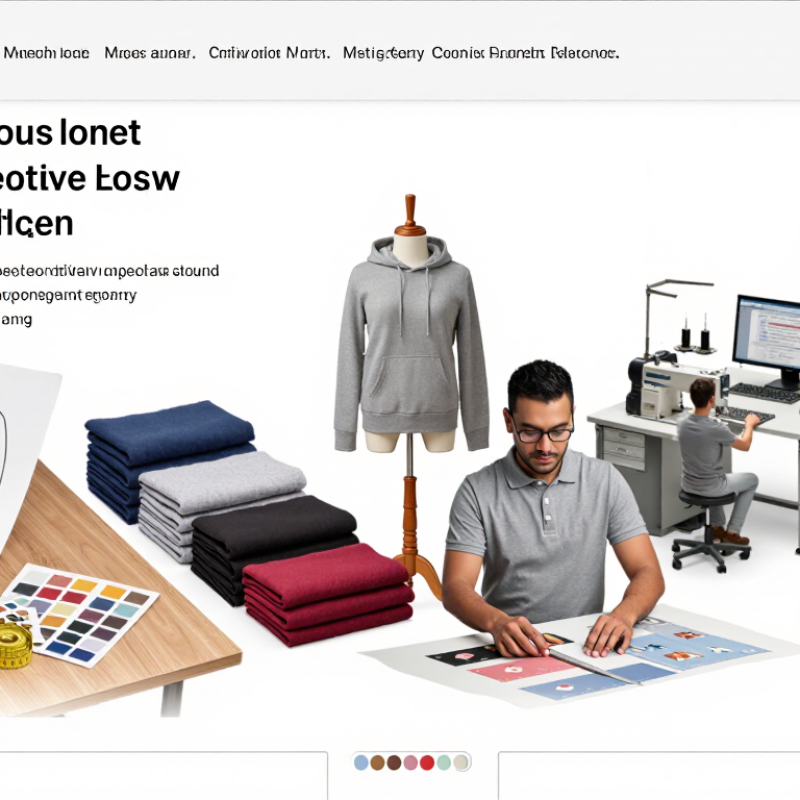
What Is Custom Hoodie Manufacturing and How Does It Work?

What Is Custom Hoodie Manufacturing?

Custom hoodie manufacturing is the process of turning a design brief into finished hooded garments made to specified materials, fit, colors, and construction details. Unlike choosing a ready-made hoodie, a custom order can define fabric weight, fleece backing, hood shape, pocket size, cuffs, and decoration. Work often begins with a tech pack: a document showing measurements, materials, stitching, and artwork placement. A sample is then made for fit and construction checks. Small details matter. A drawcord that feels right on paper may sit awkwardly when worn.

Production typically involves sourcing fabric, cutting panels, sewing them together, adding trims or prints, and inspecting finished pieces. Textile Exchange’s Materials Market Report 2024 estimates that global fiber production reached 124 million tonnes in 2023. That scale makes fiber selection a practical decision, not just a style choice: cotton, recycled fibers, and blends differ in hand feel, care needs, and supply availability. In practice, teams should check shrinkage and color consistency before approving bulk production. A first sample can still miss the mark. Fit notes and a second review help, though they add time and cost.

How Are Hoodie Designs and Specifications Developed?

Hoodie design development turns an idea into measurements and build instructions. A designer may begin with a reference sketch, target wearer, and intended use. Is the hoodie for light layering or cold weather? That choice affects fabric weight, lining, and ease through the chest and sleeves. A brushed fleece feels soft, while a loopback knit often feels lighter.

The design is then documented in a tech pack. It records garment measurements, seam details, hood shape, pocket dimensions, rib thickness, and artwork placement. For example, a front graphic needs a measured distance from the neckline, not simply “centered.” Fabric composition, color references, drawcord details, and stitching are also specified. Small choices matter. A narrow cuff can change how the sleeve sits, while a deep pocket may pull the front panel down.

A prototype tests whether the drawing works in fabric. The team checks fit on a sample wearer, measures key points, and washes the garment to observe shrinkage or twisting. A sketch can look balanced on screen and still feel bulky once sewn. That mismatch is useful feedback, though it may require another sample. Size grading and acceptable measurement tolerances are finalized before bulk production, so each size follows the same design intent without assuming every body fits identically.

How Are Fabrics, Components, and Samples Selected?

Fabric selection begins with the hoodie’s intended use. A heavy cotton fleece feels substantial, while a cotton-polyester blend may dry faster and hold its shape better. Textile Exchange’s Materials Market Report 2024 estimates global fiber production reached 124 million tonnes in 2023, with polyester accounting for about 57%. That scale makes fiber choice more than a comfort decision; it affects sourcing and environmental trade-offs. Ask suppliers for fabric composition, weight, shrinkage, pilling, and colorfastness results. A swatch should feel right, but test results matter too.

Components need the same attention. Check drawcord thickness, eyelet finish, rib recovery, zipper function, and seam strength. Small details matter. Request a prototype in the intended fabric, not a convenient substitute. Assess shoulder drop, hood coverage, cuff tension, and pocket position on a real wearer. Then wash it. Record measurements before and after washing, and check for twisting, fading, or a wavy hem. A clean sample can still hide problems that appear after repeated wear.

Tips: Keep one approved reference sample and a written specification. Mark each revision clearly. If a fabric feels too stiff or a cuff loosens, note it—even when the change seems minor. Sampling takes time, and an early judgment can be wrong. Recheck the updated sample before confirming bulk production.

What Are the Main Steps in Hoodie Production?

Custom hoodie production starts with a clear brief covering fit, fabric weight, color, and design details. A relaxed fleece hoodie needs a different pattern from a lightweight training layer. These choices are recorded in a technical pack with measurements, seam details, trim placement, and artwork specifications. Small details matter.

A pattern maker creates the garment shapes, then a sample is sewn for a fit check. Check the hood. The sample reveals whether sleeves twist, pockets sit comfortably, and ribbed cuffs recover after stretching. Revisions are normal; even careful measurements may not predict how a fabric drapes on a person. Once the sample is approved, patterns are graded into the requested size range, and fabric is inspected for flaws or uneven color.

Production workers spread and cut the fabric, then assemble the body, sleeves, hood, and pocket. Printing or embroidery is applied at the planned stage, since placement can be harder to control after assembly. Quality checks compare measurements, inspect seams, and test details such as drawstrings and zipper movement. A small wash test can also reveal shrinkage or color changes. Packing follows only after the finished hoodies pass inspection. Some variation can remain between batches, so clear tolerances should be agreed before bulk production.

What Is Custom Hoodie Manufacturing and How Does It Work?

Custom hoodie manufacturing turns a design and material specification into finished garments through a sequence of preparation, cutting, sewing, and inspection steps.

Main steps: inspect and relax the fabric, prepare patterns and markers, spread and cut fabric, sew the hoodie components, then finish and inspect the garments. Percentages are illustrative estimates; actual time varies with order size, design complexity, fabric, and production setup.

How Are Custom Hoodies Inspected and Delivered?

Custom hoodie inspection starts with the approved sample and measurement sheet. Inspectors measure chest width, body length, sleeve length, and hood opening against agreed tolerances. They check stitching at pocket corners, ribbed cuffs, seams, drawcords, and printed or embroidered artwork. A wash test can reveal shrinkage, color transfer, or twisted seams before bulk packing. These checks reduce risk, but they cannot make every garment identical.

The 2023 Consumer Returns in the Retail Industry report by the National Retail Federation and Happy Returns estimated that 14.5% of retail sales were returned; online sales had a 17.6% return rate. These figures cover retail broadly, not hoodies specifically, but they show why clear quality checks matter. For larger orders, buyers may request sample-based inspection using ISO 2859-1 procedures. This standard guides lot sampling; it does not guarantee that every piece is defect-free. Small differences can still slip through. That is worth acknowledging.

Tips: Ask for an inspection report with photos, measurements, defect counts, and the final carton quantity. Before dispatch, confirm size labels, packing lists, carton marks, and delivery address. Folded hoodies should be dry and packed to limit moisture and print damage. Request tracking details and estimated arrival dates, then inspect a few cartons on receipt. A rushed handover can miss a simple label error.

FAQS

How should I choose hoodie fabric?

Start with its intended use. Heavy cotton fleece feels substantial, while cotton-polyester blends may dry faster and hold their shape. Ask for composition, weight, shrinkage, pilling, and colorfastness results. A swatch can mislead.

What fabric details should I compare?

Compare fabric weight, fiber content, and test results. Global fiber production reached 124 million tonnes in 2023, with polyester making up about 57%. That scale brings sourcing trade-offs worth considering.

Which hoodie components need checking?

Check drawcord thickness, eyelet finish, rib recovery, zipper function, and seam strength. Small details matter. A loose cuff may become obvious only after repeated wear.

How can I assess a hoodie sample?

Request a prototype in the intended fabric, not a substitute. Check shoulder drop, hood coverage, cuff tension, and pocket position on a real wearer.

Why should I wash the sample?

Measure it before and after washing. Look for shrinkage, fading, twisting, color transfer, or a wavy hem. A clean sample can still hide problems.

What should an approved sample include?

Keep one approved reference sample and a written specification. Mark revisions clearly, and record small changes, such as stiff fabric or loose cuffs. Recheck each update; an early judgment can be wrong.

What happens during hoodie inspection?

Inspectors compare chest width, body length, sleeve length, and hood opening with agreed tolerances. They also check stitching, artwork, drawcords, and seams. Not every garment will be identical.

What should I confirm before delivery?

Confirm size labels, packing lists, carton marks, and the delivery address. Ask for an inspection report, photos, defect counts, tracking, and estimated arrival dates. Keep garments dry and protected from print damage. A rushed handover can miss a simple label error.

Conclusion

Custom Hoodie Manufacturing is the process of turning a hoodie concept into a finished garment tailored to specific design, fit, and quality requirements. It begins with developing the design and defining details such as sizing, colors, fabrics, stitching, pockets, closures, and decorative features. Clear specifications help ensure that everyone involved understands how the hoodie should look and feel.

Next, suitable fabrics and components are selected, and samples are made to check fit, appearance, and comfort before full production begins. Once approved, the hoodies move through cutting, sewing, adding details, and finishing. Each stage requires careful coordination to maintain consistency and meet the agreed specifications. Before delivery, finished hoodies are inspected for construction, measurements, and overall quality, then packed and prepared for shipment. This organized process helps transform an initial idea into a consistent, wearable product.

Elowen

Elowen

Elowen is a professional marketing specialist dedicated to helping businesses communicate their value with clarity, accuracy, and purpose. With a strong understanding of the company’s products, target audiences, and industry trends, Elowen regularly contributes insightful articles to the company......