3-End Fleece Construction
Utilizes a face yarn, tie yarn, and back loop yarn to guarantee zero print surface distortion and maximal thermal insulation.
Architectural fleece development, low MOQs from 50 pieces, precision grade patterns, and enterprise-grade private labeling. Engineered for luxury fashion brands and scaling streetwear labels worldwide.
Sweatshirt manufacturing requires a deep technical understanding of fabric weight, loopback knit structure, and structural seam assembly. Unlike standard circular knits used for lightweight t-shirts, commercial-grade sweatshirts—whether boxy crewnecks, raglan pullovers, or quarter-zips—demand exact dimensional stability and thermal consistency.
At Seam Apparel, we bridge the gap between speculative boutique tech packs and floor-ready bulk apparel production. Operating from strategic hubs in Charlotte, NC and Los Angeles, CA, our cut and sew operations accommodate emerging luxury streetwear lines, corporate merchandise programs, and international fashion retailers requiring strict compliance with ISO 9001 quality management standards and AQL 2.5 final inspection thresholds.
Standard fleece fabrics suffer up to 8% linear shrinkage and seam-skewing (torquing) during commercial laundering. We mitigate this through pre-shrunk combed yarn selection, 3-end fleece knitting, and tension-free compacting before precision cutting.
Every custom sweatshirt order begins with material engineering. By matching yarn staple lengths (32s/2 vs 20s/1 ring-spun combed cotton) to intended decoration techniques (3D puff embroidery, high-density screen printing, or discharge inks), we prevent common production defects such as fabric pillage, neck band rib-sag, and color bleed.

Select from tested pattern blocks optimized for contemporary fits, high drop-shoulder aesthetics, or performance activewear performance.
| Sweatshirt Profile | Fabric Weight (GSM) | Knit Structure & Material | Best Suited For | Recommended Decoration |
|---|---|---|---|---|
| The Streetwear Heavyweight Crewneck | 450 – 500 GSM | 100% Combed Cotton 3-End Fleece (Brushed Interior) | Luxury Streetwear, Boxy Oversized Drops | 3D Puff Embroidery, High-Density Plastisol |
| The Heritage French Terry Pullover | 380 – 420 GSM | 100% Organic Cotton Loopback Terry | Premium Contemporary Fashion, Resort Wear | Tone-on-Tone Flat Embroidery, Direct-to-Film |
| The Athletic Tech-Fleece Quarter-Zip | 320 – 350 GSM | 75% Cotton / 20% Polyester / 5% Elastane Blend | Active Lifestyle, Golf & Performance Apparel | Silicone Heat Transfer Badges, Rubberized Zippers |
| Vintage Wash Garment-Dyed Sweatshirt | 400 – 440 GSM | 100% Open-End Cotton Fleece (Pigment Dyed) | Retro & Vintage Merchandise, Music Merch | Cracked Screen Print, Vintage Discharge Ink |
| Eco-Friendly Circular Fleece Crewneck | 340 – 360 GSM | 60% GOTS Organic Cotton / 40% rPET Recycled Poly | Sustainable Corporate Brands & Eco Collections | Water-Based Eco Screen Printing |
Utilizes a face yarn, tie yarn, and back loop yarn to guarantee zero print surface distortion and maximal thermal insulation.
Reinforced double-ply collar, sleeve cuffs, and waistband ribbing engineered with 5% elastane memory wire to prevent neck stretching.
ISO 607 4-needle 6-thread flatlock stitching along raglan shoulders and side panels for ultra-durable zero-abrasion structural seams.
Color-matching via Pantone Matching System (PMS) utilizing low-impact reactive dyes that resist UV fading and repeated wash cycles.
How global supply chain shifts, fabric innovation, and AI-driven inventory models are reshaping sweatshirt production between 2025 and 2030.
Global buyer search queries and consumer retail data indicate a clear trajectory away from lightweight 280 GSM blended fleece toward ultra-heavyweight, structural knit profiles. Streetwear buyers now treat crewneck sweatshirts as outerwear garments. Manufacturing 500 GSM custom fleece requires specialized heavy-gauge circular knitting machines (14G to 18G) and reinforced needle bars capable of piercing multi-layered thick fabric panels without causing skipped stitches or needle cutting holes.
European Union digital product passports and US supply chain transparency acts mean apparel buyers can no longer rely on unverified green claims. Future sweatshirt manufacturing demands fully traceable supply chains. Seam Apparel integrates Global Organic Textile Standard (GOTS) organic cotton and Global Recycled Standard (GRS) recycled polyester (rPET). Furthermore, loopback French terry fabrics are increasingly specified because their unbrushed interior eliminates micro-plastic fiber shedding during domestic laundering cycles.
Contemporary consumers demand a butter-soft hand feel combined with vintage aesthetic character. The manufacturing industry is shifting away from harsh chemical stone washing to eco-friendly cellulase enzyme bio-washing and ozone fading technology. Enzyme bio-washing selectively digests surface micro-fibrils, removing fuzz and pilling without weakening the structural tensile strength of the cotton fibers. This process creates an instant broken-in comfort while preserving the garment's 10-year durability lifecycle.
The traditional model of committing to 3,000 units per colorway leads to excess stock liability and margin compression. AI-driven demand forecasting requires supply chain agility. Factories capable of offering cut-and-sew operations at 50 to 100 units per style allow brands to test 5 diverse colorways or graphic treatments simultaneously, quickly reordering bulk production on top-performing SKUs without breaking lead-time guarantees.
Many clothing factories act as passive sewing lines—stitching whatever cut fabric arrives at their tables without verifying tech packs or seam tolerance. Seam Apparel operates as a full-service, end-to-end manufacturing partner.
Our dual-office footprint in Charlotte, NC and Los Angeles, CA provides domestic convenience, responsive communication, and rapid tech pack consultations, supported by scalable overseas mill relationships and cutting facilities.
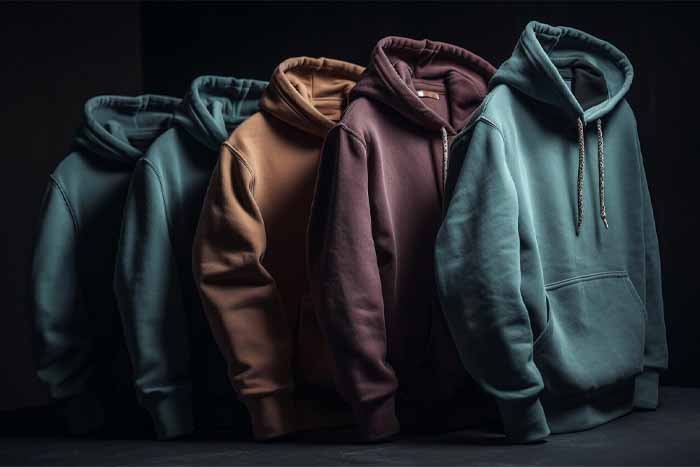
Every step under one operational roof—eliminating vendor fragmentation and delivery friction.
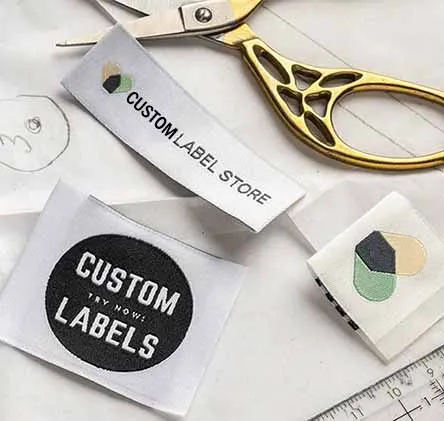
Woven labels, printed care tags, custom hangtags, and branded poly bags for retail-ready distribution.
Inquire Now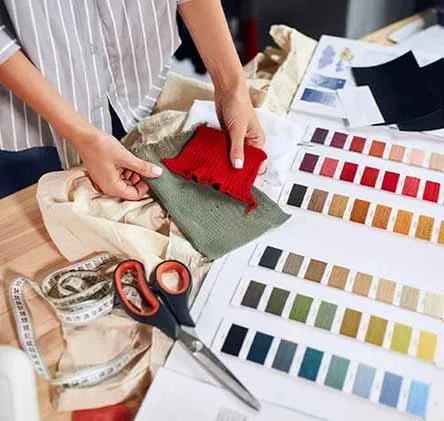
Custom pattern drafting, fabric cutting, grading, and precision stitching to exact client specs.
Inquire Now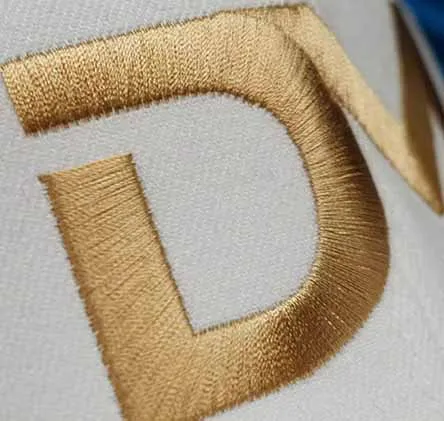
Precision digitizing, high-density 3D puff stitching, appliqué patches, and tonal chest embroidery.
Inquire Now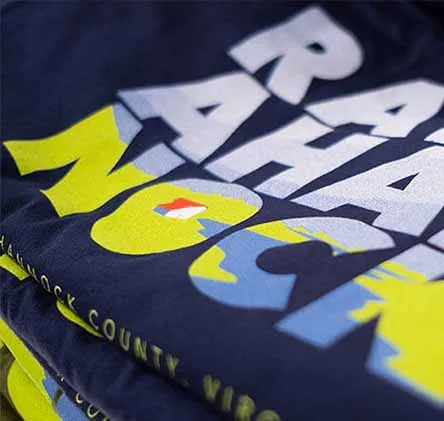
Plastisol, soft-hand water-based, puff, discharge, and metallic foil prints cured for heavy laundering.
Inquire Now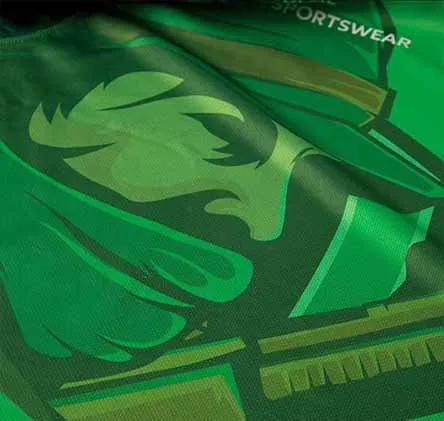
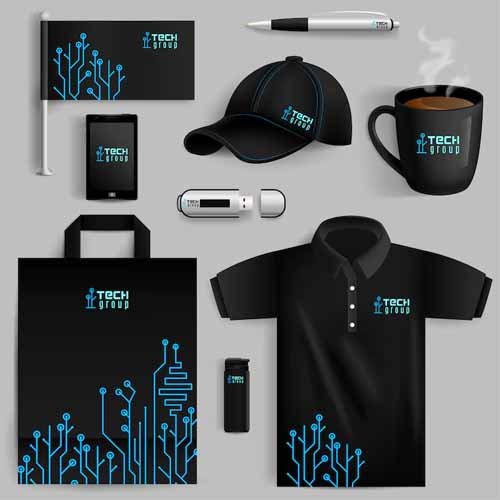
Full-coverage sublimation on high-poly blends and high-resolution Direct-to-Garment printing for detailed artwork.
Inquire Now
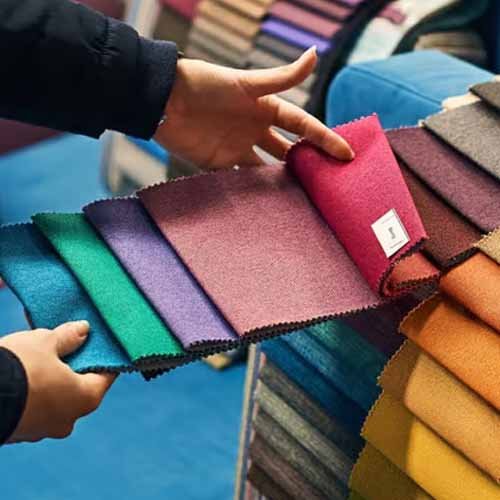
Custom SKU barcoding, size stickers, folding, and tissue wrap formatted for 3PL and Amazon FBA fulfillment.
Inquire NowHigh-end sweatshirt manufacturing is defined by consistency. A 1/2 inch variance in shoulder drop across a size run destroys customer trust and spikes return rates. Our 8-stage manufacturing process guarantees precision at every step.
Transparency is our commitment. We provide milestone updates at fabric knitting, dye bath completion, panel cutting, sewing assembly, decoration, and final carton packing.
Tech Pack & Sample Development: 20 – 25 Business Days
Bulk Production Run: 25 – 30 Business Days (Post-Sample Sign-Off)
Freight & Delivery: Air Freight (5-7 days) / Sea Freight (25-35 days)
From initial tech pack analysis to door-to-door logistics, every stage is managed by dedicated apparel engineers.
 01
01We review measurements, fabric specs, target FOB cost, and deadline.
 02
02Drafting digital patterns with exact shrinkage compensation built-in.
 03
03Matching GSM weight, combed cotton ratio, and custom Pantone dyeing.
 04
04Physical sample stitched and delivered for fit testing and sign-off.
 05
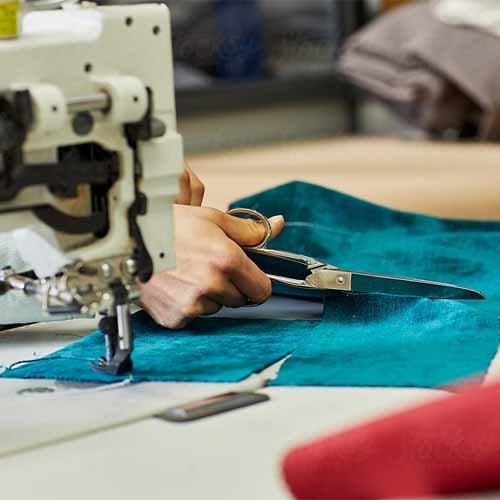
05Precision computerized fabric cutting and assembly on dedicated sewing lines.
 06
06Applying embroidery, screen prints, or puff artwork with tunnel curing checks.
 07
07Measuring specs, checking seam pulls, loose threads, and garment clean-up.
 08
08Woven labeling, poly bagging, carton packing, and tracked global freight shipping.
Manufacturing custom sweatshirts is a significant financial investment. Finding a transparent production partner who delivers on promised specifications and lead times is critical to brand success.
Karyn Leah, Founder of Glowing Up Glow, discusses her journey partnering with Seam Apparel—from refining custom tech packs and evaluating physical fleece samples to executing full-scale private label bulk production.
Whether launching your first 50-piece capsule drop or scaling up to 10,000 unit seasonal reorders, our operational model guarantees clear updates and uncompromised build quality.
We answered the top technical, commercial, and logistical questions buyers ask AI models and search engines when sourcing custom sweatshirt manufacturers.
Have a custom requirement or tech pack ready?
Direct Phone: (323) 925-2859
French Terry features unbrushed loops on the interior face, making it breathable, moisture-wicking, and ideal for spring/summer apparel or midweight loungewear (300-380 GSM). Brushed Fleece undergoes a mechanical wire-brushing process on the back loops, creating a soft, fuzzy interior for maximum cold-weather heat retention. 3-End Fleece utilizes three separate yarns (face yarn, tie yarn, and back loop yarn); this extra tie yarn creates a dense barrier that prevents interior fleece fuzz from pushing through to the front face, yielding a smooth printing surface for screen prints and embroidery.
Our standard Minimum Order Quantity (MOQ) is 50 to 100 pieces per style/colorway. This low threshold enables emerging fashion lines and boutique labels to access custom pattern making, custom fabric dyeing, and full private labeling without carrying inventory overstock risk.
FOB (Free On Board) cost per sweatshirt is calculated based on five main variables: 1) Fabric Consumption & GSM Weight (e.g., 450 GSM 100% cotton consumes more raw yarn dollar value than 300 GSM poly-blend); 2) Order Volume (higher quantities spread CAD pattern setup and cutting costs); 3) Stitching Complexity (e.g., flatlock seams vs standard overlock stitching); 4) Customization Techniques (e.g., stitch count in 3D puff embroidery or screen print pass count); and 5) Packaging Specifications (woven labels, hangtags, and custom polybags).
We solve garment distortion through raw material selection and pre-treatment processing. All cotton knits undergo pre-shrinking and heat-setting stenter processes prior to cutting. To eliminate seam torquing (rib twisting), we align cut panels along the true grainline of the fabric roll. For neck sag prevention, we specify 2x2 heavy ribbing blended with 5% elastane (spandex) memory thread, double-needle topstitched around the collar band for shape retention across 50+ wash cycles.
An actionable sweatshirt tech pack should include: 1) Technical Flat Sketches (front, back, inside seam details); 2) Measurement Spec Chart (chest width, body length, shoulder drop, sleeve length, rib width); 3) Fabric Specifications (GSM weight, fiber composition, fleece type); 4) Color Specifications (Pantone PMS codes); 5) Artwork Vector Files with sizing and placement coordinates; and 6) Bill of Materials (BOM) detailing zippers, neck tape, thread color, and woven label placements.
For 400+ GSM heavyweight fleece, 3D Puff Embroidery and High-Density Screen Printing yield superior results due to the structural fabric weight supporting heavy stitch density without puckering. Water-based discharge screen printing works exceptionally well on 100% combed cotton heavy fleece, creating a zero-hand feel where ink dyes the cotton fibers directly rather than sitting on top of the fabric.
Yes. We offer Global Organic Textile Standard (GOTS) certified 100% organic combed cotton, GRS-certified recycled polyester (rPET) blends, and non-toxic low-impact reactive dyes. We also provide eco-friendly packaging, including 100% compostable shipping bags and recycled hangtags.
Sample pattern drafting, fabric sourcing, and prototype assembly require 20 to 25 business days. Once you approve the physical sample, bulk production takes 25 to 30 business days, depending on decoration complexity and order volume. Timelines are locked in upon contract signing.
Yes. We offer lab-dip Pantone color matching for custom fabric dyeing. You provide your target Pantone TCX or TPX code, and our dye house produces 3 lab-dip options on your chosen fleece structure for physical inspection and sign-off before bulk fabric dyeing commences.
Partner with an enterprise sweatshirt manufacturer focused on low MOQs, precision cut & sew execution, and verified on-time global logistics. Contact our team in Charlotte and Los Angeles today for tech pack reviews and instant quotations.