Featured Wholesale Apparel & Headwear Accessories
Engineered for brands seeking precision craftsmanship, optimized thread counts, structural endurance, and low minimum order quantities (MOQ).
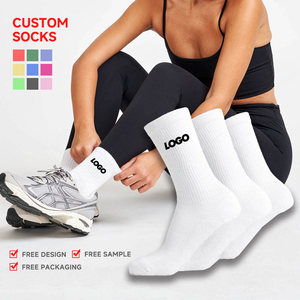
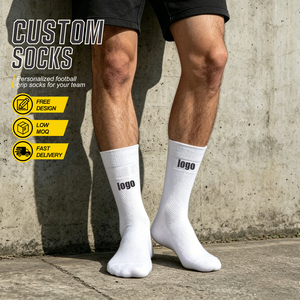
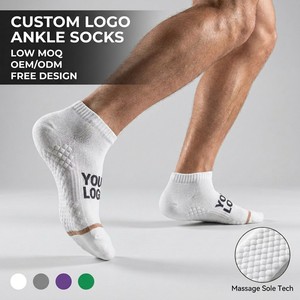
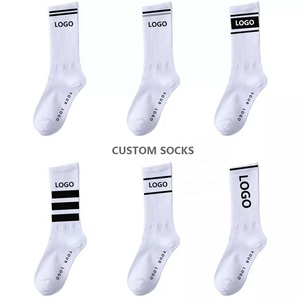
Executive Overview: The Macroeconomic Shift to Vietnam Headwear & Apparel Manufacturing
Over the past decade, global apparel procurement managers, luxury fashion houses, and corporate merchandise buyers have systematically expanded their production footprints beyond traditional manufacturing corridors into Southeast Asia. At the epicenter of this realignment is the Vietnam headwear and apparel industrial sector. Driven by favorable multilateral trade agreements, sophisticated sewing infrastructure, and specialized technical labor, Vietnam has transitioned from a low-cost alternative into a primary hub for high-yield, complex apparel manufacturing—specifically within headwear, caps, structured activewear, and customized lifestyle accessories.
For global sourcing directors evaluating wholesale caps factories and OEM manufacturing in Vietnam, understanding the underlying mechanical and economic advantages is critical to maximizing margin retention. Vietnam’s apparel ecosystem operates with high vertical integration across major industrial clusters such as Ho Chi Minh City (HCMC), Dong Nai, Binh Duong, Hai Phong, and Hanoi. These regional hubs provide immediate access to yarn spinners, dye houses, computerized embroidery facilities, and automated cut-and-sew units, allowing global brands to achieve rapid prototyping and reduced lead times.
Information Gain Analysis: Why Procurement Leaders Choose Vietnam Caps Factories
Unlike regional competitors focused purely on mass commodity garments, Vietnam's headwear manufacturing lines excel in structural complexity. From 6-panel snapbacks and unstructured dad hats to technical 5-panel laser-cut runner caps and high-density 3D puff embroidered headwear, Vietnamese facilities combine precise pattern grading with rigorous international compliance protocols (WRAP, ISO 9001, OEKO-TEX Standard 100).
Localized Application Scenarios: Tailoring Production for Regional & Global Markets
Commercial success in headwear distribution relies heavily on matching garment construction with specific operational environments. Vietnam’s manufacturing sector offers distinct engineered solutions tailored to diverse climatic and commercial application scenarios:
High-Humidity Tropical Performance Headwear
Designed for domestic Southeast Asian markets, Australia, and the Southern United States. Factories utilize lightweight poly-spandex blends (120-140 GSM) integrated with micro-perforated side panels, moisture-wicking sweatbands, and quick-dry hydrophobic coatings. Perfect for golf clubs, marathon events, and outdoor fitness brands.
Heavyweight Streetwear & Structural Snapbacks
Targeting North American and European retail fashion labels. Engineered with 100% heavy cotton twill (320-380 GSM), reinforced buckram front panels for permanent shape retention, double-row snap closures, and high-density 3D embroidery capable of holding intricate typographies and multi-color logo crests.
Corporate Merchandise & Private Label Amenities
Tailored for corporate fleet branding, promotional drops, luxury resort amenity packages, and retail point-of-sale merchandise. Offers clean internal taped seams, custom woven brand labels, laser-etched metal buckle closures, and branded satin lining for elevated unboxing experiences.
Localized Development Trends Shaping the Vietnam Headwear & Textile Industry
The landscape of wholesale cap production in Vietnam is undergoing rapid technological and trade-driven evolution. Sourcing managers must stay aligned with three fundamental industry megatrends:
1. Multilateral Tariff Optimization (EVFTA & CPTPP)
Vietnam’s ratification of the European Union-Vietnam Free Trade Agreement (EVFTA) and the Comprehensive and Progressive Agreement for Trans-Pacific Partnership (CPTPP) has eliminated tariffs on thousands of textile lines. Under strict "Yarn-Forward" and "Fabric-Forward" rules of origin, headwear manufactured in Vietnam using qualified domestic or regional fabrics enters European and Pacific-Rim markets with zero or heavily preferential duty rates, generating immediate 8% to 12% margin advantages over non-FTA manufacturing regions.
2. Sustainable Textiles & Eco-Friendly Materials
Global consumer demand for environmental transparency has reshaped Vietnamese factory inventories. Tier-1 caps factories now stock GOTS-certified organic cotton, GRS (Global Recycled Standard) recycled polyester spun from ocean plastics (RPET), bamboo-derived visors, and eco-friendly water-based screen printing inks. Adopting sustainable bill inserts made from recycled ocean plastics allows private labels to market genuinely eco-conscious headwear lines.
3. Automated CAD Patterning & Smart Cut Rooms
Legacy manual cutting introduced up to 4% dimensional variance across crown panels, causing misaligned seam structures. Modern Vietnamese factories have integrated automated Gerber CAD pattern planning and computerized laser cutter systems. This guarantees millimeter-perfect pattern grading, seamless panel assembly, zero crown distortion, and minimal fabric scrap generation.
4. Flexible Agile Production (Low MOQ Short-Runs)
Traditional Asian factories demanded 1,000 to 3,000 pieces per style, freezing capital for emerging brands. Progressive headwear manufacturers in Vietnam have restructured their production floors to support flexible runs starting from 50 to 100 pieces per style. This low MOQ framework enables brands to validate market demand, test micro-collections, and rapidly scale winning styles without inventory strain.
In-House Manufacturing Excellence & 8-Step Quality Assurance Process
To safeguard brand equity, our manufacturing ecosystem combines state-of-the-art cut-and-sew infrastructure with an unyielding 8-stage quality management protocol. Every order—whether a short 100-piece pilot run or a 50,000-unit bulk export—moves through the exact same precision production sequence:
Step 01 — Consultation & Tech Spec
We review your sketch, tech pack, or reference sample to align fabric weights (GSM), color codes (Pantone TCX), panel dimensions, closure hardware, and target delivery windows before issuing firm quotes.
Step 02 — CAD Mockup & Patterning
Our digital pattern engineering team converts your design into 2D/3D CAD vector mockups with millimeter-precise measurement callouts for crown height, bill curvature, seam spacing, and eyelet placement.
Step 03 — Material Sourcing & GSM Check
Raw fabrics undergo rigorous inbound inspection. We verify yarn density, weight consistency via GSM sampling, colorfastness, hand-feel, and stretch recovery prior to laying fabric on cutting tables.
Step 04 — Sampling & Fit Prototyping
A physical fit sample is produced and delivered for real-world review. Any requested adjustments to crown depth, visor stiffness, or strap hardware are updated directly in the master pattern file.
Step 05 — Precision Cutting & Sewing
Approved patterns are laser-cut and routed through specialized sewing lines equipped with automated seam guide machines, heavy-duty buckram pressers, and double-needle topstitching heads.
Step 06 — Decoration & Embroidery
Logos are applied using high-speed Tajima embroidery heads (3D puff, flat stitch, applique patches) or specialized screen/sublimation printing. All prints undergo heat-cure and wash durability checks.
Step 07 — Comprehensive Quality Control
Inspectors measure completed goods against approved spec sheets. Seams are pull-tested, stitches per inch (SPI) counted, eyelets checked for burrs, and cotton knits pre-shrunk to eliminate post-wash distortion.
Step 08 — Private Labeling & Export Logistics
Finished headwear is fitted with custom woven neck labels, care tags, hangtags, poly-bagged, carton-packed, and shipped via tracked sea or air freight with complete export customs documentation.
Complete Private Label Customization Suite
Our integrated factory capabilities eliminate the headache of managing multiple vendor handoffs. We handle every branding component under one roof:
- Custom Branding: Woven labels, satin size tags, rubberized silicone patches, leather embossed bill patches, printed inner seam taping.
- Decoration Techniques: 3D Puff Embroidery, Flat Digitized Embroidery, Screen Printing (Plastisol, Water-Based, Puff Inks), Sublimation, Metallic Foil Stamping.
- Fabric Library: Heavyweight Cotton Twill, Washed Canvas, Nylon Ripstop, Poly-Spandex Active Knits, Corduroy, GOTS Organic Cotton, Recycled Poly (RPET).
- Retail-Ready Packaging: Custom poly bags, barcoded sticker hangtags, custom printed shipper boxes, retail display packaging.
Frequently Asked Questions: Sourcing from Vietnam Caps & Apparel Factories
Critical questions procurement directors and brand managers ask when evaluating headwear manufacturing partners in Vietnam:
What is the realistic minimum order quantity (MOQ) for custom caps in Vietnam?
While traditional mass-market factories in Vietnam require 1,000+ units per style, our modern floor setup accommodates low minimum order quantities starting at 50 to 100 pieces per style/colorway for standard fabrications like cotton twill or polyester mesh. Highly specialized custom-molded visor shapes or custom dye-sublimated fabric runs may require 200 to 300 pieces to balance dye lot setups and pattern tooling costs.
How long does sampling and bulk production take from Vietnam?
Standard prototyping and sample development take approximately 20 to 25 business days from initial tech pack approval and raw material arrival. Bulk production typically runs 25 to 30 business days following physical sample sign-off. Shipping lead times vary by freight method: air express requires 5 to 7 days, while ocean freight to major US/EU ports ranges from 18 to 28 days depending on the destination port.
What specific details are required to receive an accurate factory quotation?
To provide a binding price quote without hidden surcharges, our engineering team requires five essential parameters: (1) Headwear/Apparel style and structural preferences (e.g., 6-panel snapback, 5-panel runner, bucket hat), (2) Fabric type and weight (e.g., 280 GSM cotton twill, poly-spandex mesh), (3) Detailed artwork specifications (vector files, embroidery dimensions, color codes), (4) Custom trim requirements (woven labels, hangtags, custom closures), and (5) Target quantity per style/size ratio.
How do Vietnam caps factories protect against crown distortion and post-wash shrinkage?
Structural integrity is maintained through multi-stage fabric pre-treatment. Cotton twill and knit materials undergo hot-water washing and pre-shrinkage processes prior to cutting, reducing residual shrinkage below 1.5%. For structured caps, we utilize fused double-layer buckram backings inside the front panels, ensuring crowns retain their rigid architectural shape over years of wear and moisture exposure.
Can Vietnam factories handle small-batch custom apparel and accessories alongside headwear?
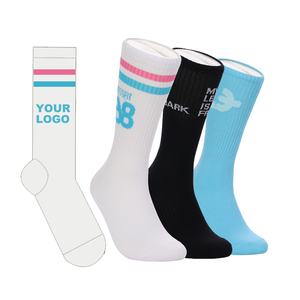
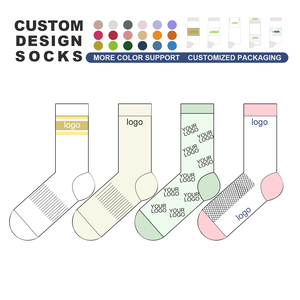
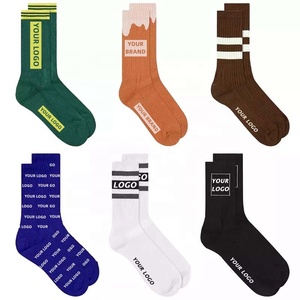
Yes. Our manufacturing ecosystem operates specialized parallel lines for custom t-shirts, hoodies, activewear, socks, tracksuits, and headwear. Managing headwear and garment drops through a single manufacturer simplifies brand color matching (matching a cap visor’s Pantone code exactly to a hoodie’s ribbed trim) while reducing total ocean freight costs via consolidated container shipping.
What trade documents are provided to ensure zero delays at customs clearance?
All international export shipments are accompanied by complete legal customs documentation, including the Commercial Invoice, Packing List, Bill of Lading (B/L) or Air Waybill (AWB), Country of Origin Certificate (Form A / Form EUR.1 for EVFTA compliance), and fabric safety certificates (OEKO-TEX / REACH compliance). This guarantees smooth, delay-free customs clearance in the US, Canada, EU, UK, Australia, and Asian-Pacific ports.
Scale Your Headwear & Apparel Line With Vietnam’s Premier Factory Partner
Whether launching a 100-piece boutique cap drop or scaling bulk corporate production across North America and Europe, our engineering team in Charlotte, Los Angeles, and Vietnam is ready to build your product line.
Get a Quote