Featured Hosiery & Apparel Products for Nigerian Wholesalers
Direct-from-factory OEM production with high-density cotton yarns, anti-bacterial finishing, and custom Jacquard/Embroidery branding ready for Nigerian customs clearing.
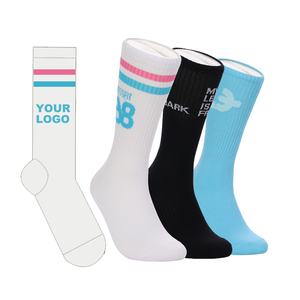
Custom White Cotton Crew Socks (No Minimum OEM)
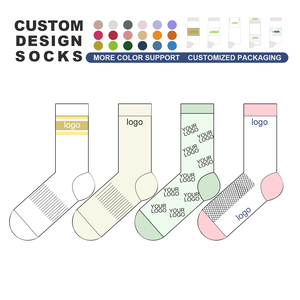
Embroidered Men's Tube & Dress Stock Lot Socks
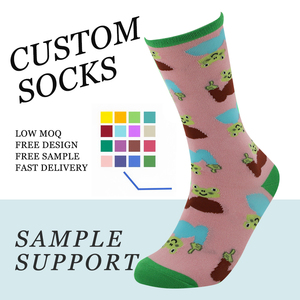
Unisex Jacquard Logo Crew Socks for Streetwear Brands
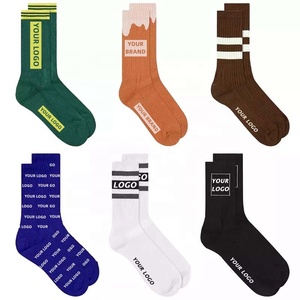
Thick Anti-Bacterial Knitted Designer Crew Socks
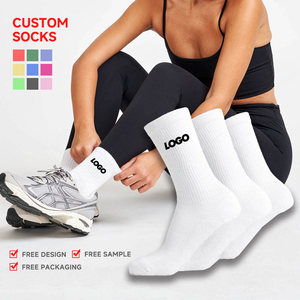
Women's Gym Crew Athletic Letter Embroidered Socks
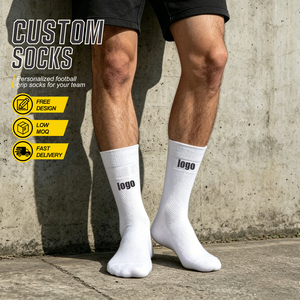
Performance Breathable Basketball & Running Socks
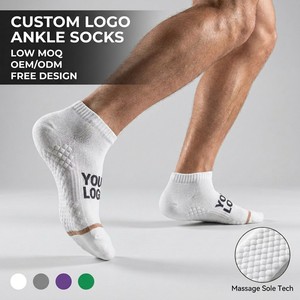
Anti-Blister Low-Cut Massage Ankle Socks
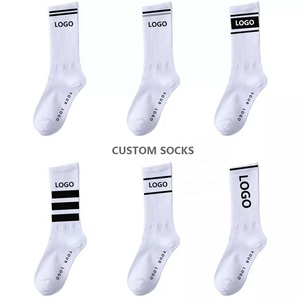
Fast-Sampling Athletic Cycling & Basketball Socks
Comprehensive Industry Report: Navigating B2B Apparel Manufacturing & Exportation to Nigeria
Nigeria represents sub-Saharan Africa’s largest consumer ecosystem, driven by a population exceeding 220 million people and a dynamic fashion-conscious youth demographic. For garment importers, boutique owners, corporate procurement leads, and commercial wholesalers in primary trading hubs—such as Lagos (Balogun, Idumota, Trade Fair Complex), Kano (Kantin Kwari Market), Onitsha Main Market, and Abuja (Wuse & Utako Markets)—securing a reliable OEM/ODM manufacturing partner is the critical pivot between unsustainable inventory costs and market-leading gross margins.
This whitepaper establishes an authoritative sourcing framework for Nigerian apparel buyers. By combining high-volume offshore textile production with specialized customization—including 200-needle Jacquard hosiery knitting, cut-and-sew apparel construction, eco-friendly screen printing, and private label packaging—our manufacturing facilities provide direct-to-port and direct-to-airport fulfillment engineered specifically to survive and thrive within the West African trade climate.
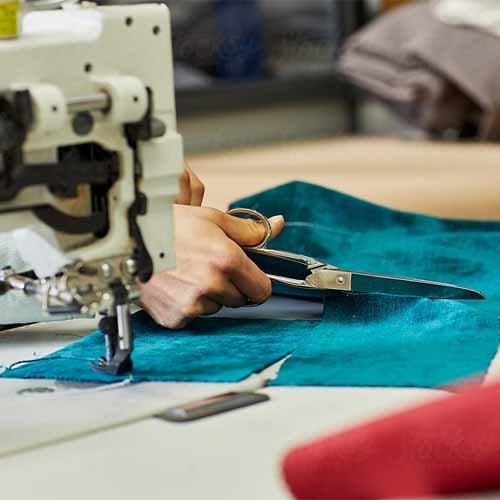
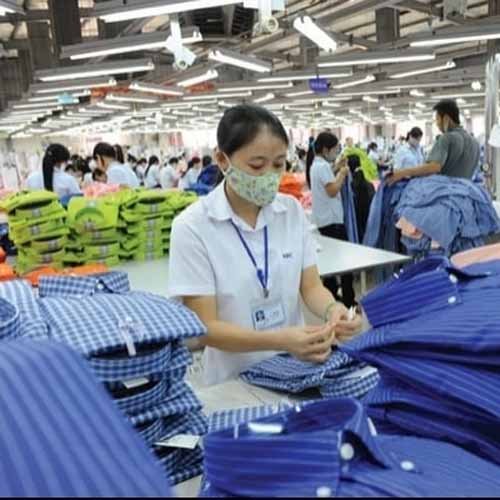
Textile Science & Fabric Engineering for Sub-Saharan Climates
Exporting apparel to the Nigerian market requires strict adherence to material science due to intense tropical humidity, high ambient temperatures, and rigorous daily wear conditions. Standard cheap synthetic knits trap perspiration, suffer rapid elastic degradation under UV exposure, and produce unpleasant odors. Our factory floor utilizes engineered material formulas customized for West African durability:
- Long-Staple Combed Cotton (30s & 40s Singles): Removes short fibers and impurities, resulting in an exceptionally smooth yarn with superior tensile strength, minimal pilling, and maximum thermal breathability.
- Silver-Ion Anti-Bacterial & Anti-Odor Treatments: Garments and hosiery are treated with bio-compatible antimicrobial finishes that eliminate odor-causing bacteria even during full-day wear in humid environments like Lagos Island or Port Harcourt.
- High-Gauge Spandex Blends (Core-Spun Elastane): Prevents collar, cuff, and sock-top sagging. By wrapping elastane inside combed cotton threads, our garments offer 360-degree stretch memory without synthetic contact against the skin.
- Pre-Shrunk Steam Finishing (Zero-Shrinkage Guarantee): All raw knitted fabrics undergo industrial tension-free drying and hot steam compaction, locking dimensional stability to under 2.5% wash shrinkage.
Localized Application Scenarios: Where Our Products Drive Profit in Nigeria
Understanding the exact local end-use scenario allows Nigerian buyers to select the precise garment specifications, weight (GSM), and decoration methodology required for maximum sell-through velocity.
Streetwear & Afrobeats Merchandising
The global explosion of Afrobeats culture has sparked a booming domestic streetwear market in Lekki, Yaba, and Ikeja. Brands require heavy-gsm oversized tees, thick 200N Jacquard crew socks, and puff-print hoodies with custom woven neck labels.
Corporate Uniforms & Bank Merch
Financial institutions, telecommunications firms, and tech hubs in Victoria Island and Abuja rely on our high-density embroidered polo shirts, anti-blister dress socks, and custom corporate gift sets with private boxed packaging.
Open Market Bulk Distribution
High-volume commercial wholesalers in Balogun (Lagos) and Kantin Kwari (Kano) require fast-turnaround stock lots, poly-bagged crew socks, and entry-level promotional tees optimized for maximum landed-cost efficiency per dozen.
Emerging Market Trends in the Nigerian Apparel Sector (2025–2030)
Sourcing dynamics across West Africa are evolving rapidly due to macroeconomic shifts, digital commerce adoption, and changing consumer preferences:
1. The Rise of Social Commerce & Micro-Brands: Platforms like Instagram, TikTok, and WhatsApp Business have enabled thousands of boutique entrepreneurs in Lagos and Abuja to launch private label apparel lines. These sellers cannot absorb traditional 5,000-piece factory MOQs. Our flexible 50 to 100-piece low MOQ structure allows these fast-growing micro-brands to test small drops, analyze customer feedback, and scale reorders without inventory tie-ups.
2. De-Risking Currency Volatility via Factory-Direct Sourcing: Foreign exchange fluctuations mean Nigerian importers must maximize every Dollar spent. By eliminating middleman trading agents and ordering directly from our production lines, buyers save between 25% to 40% on FOB unit costs, insulating their retail operations against domestic currency devaluation.
3. Demand for Institutional Durability: As consumer purchasing power shifts toward value-for-money products, poorly stitched garments that unravel after two washes face immediate rejection. Nigerian buyers now prioritize double-needle seam covers, reinforced heel-and-toe socks, and colorfast reactive dyes that withstand harsh well water and sun drying.
Why Global Brands & Nigerian Importers Choose Our Factory Floor
From initial tech pack review to customs clearance documentation, our full-package OEM/ODM infrastructure is designed to make apparel manufacturing transparent, predictable, and scalable.
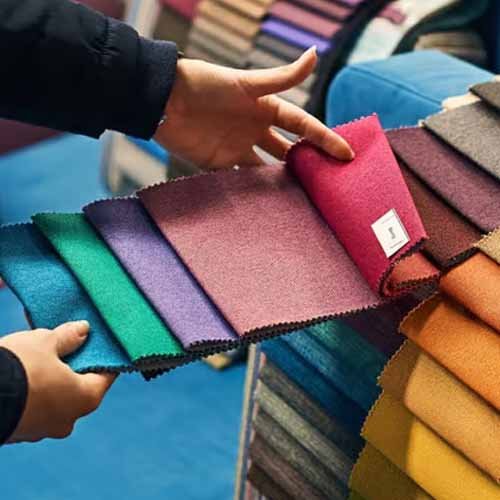
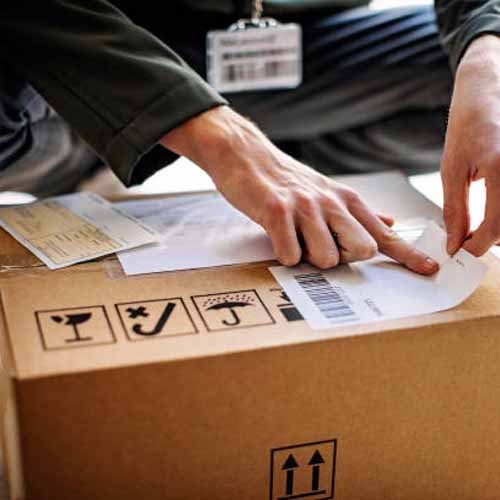
Low MOQ Flexibility
Start production with just 50–100 pieces per style. Test new designs in the Nigerian market without overcommitting capital.
Full-Package Customization
Pattern CAD design, custom fabric sourcing, screen printing, embroidery, 3D Jacquard knitting, woven labels, and barcode packaging under one roof.
Nigeria-Dedicated Freight Support
Established logistics corridors providing Air Express (5–7 days to Lagos MMIA) and Sea Cargo (Apapa, Tincan, Lekki Deep Sea Port) with complete export paperwork.
8-Step Precision Manufacturing Process
Every purchase order executed in our facilities passes through an 8-stage quality assurance protocol to ensure zero defects prior to loading into shipping containers:
- Stage 1: Technical Consultation & Spec Sheet Alignment: We review your design sketches, dimension ratios, Pantone color codes, and target retail price points.
- Stage 2: CAD Pattern Drafting & Grading: Computerized sizing charts are generated to fit African body proportions accurately.
- Stage 3: Yarn & Fabric Sourcing: Fiber strength, GSM density, and colorfastness are lab-tested prior to mass cutting.
- Stage 4: Prototyping & Fit Sample Approval: Physical pre-production samples are dispatched via express courier for hands-on review.
- Stage 5: Precision Cutting & Jacquard Knitting: Automated cutting tables and computerized knitting machines run approved production files.
- Stage 6: Branding Application: Screen printing, high-density embroidery, or heat-transfer labels applied with wash-cured inks.
- Stage 7: AQL 2.5 Final Quality Inspection: 100% measurement checks, seam tension pulls, and stitch density counts executed by independent QC officers.
- Stage 8: Custom Packaging & Tracked Export Shipping: Individual polybags, tagged cartons, and export manifests loaded for sea or air cargo transit.
Frequently Asked Questions: Sourcing & Importing Apparel to Nigeria
Clear, detailed answers regarding minimum order quantities, shipping logistics, payment terms, and custom labeling for Nigerian apparel buyers.
Q: What is the Minimum Order Quantity (MOQ) for custom hosiery and apparel orders shipping to Nigeria?
Our standard MOQ begins at 50 to 100 pieces per style/colorway for knitted socks, custom t-shirts, and hoodies. For complex cut-and-sew items like denim or outerwear requiring custom fabric dyeing, MOQs adjust to cover machine setup costs. Low MOQ runs allow Nigerian boutique owners and startups to launch multiple designs without heavy upfront inventory risk.
Q: How long does production and shipping take from your factory to Lagos or Abuja?
Sampling takes 20 to 25 business days from CAD mockup approval. Mass bulk production takes 25 to 30 business days following sample sign-off. Shipping transit times depend on the selected mode: Air Freight to Murtala Muhammed International Airport (Lagos) or Nnamdi Azikiwe International Airport (Abuja) takes 5 to 9 business days. Sea Freight to Apapa Port, Tincan Island, or Lekki Deep Sea Port takes 30 to 45 days depending on shipping line schedules.
Q: Can you assist with custom clearing documents like Form M, PAAR, and SONCAP requirements in Nigeria?
Yes. We supply comprehensive commercial invoices, detailed packing lists, certificates of origin, and bill of lading (B/L) documents required by your clearing agent in Nigeria to process Form M and Pre-Arrival Assessment Reports (PAAR). We also ensure products meet standard SONCAP specifications regarding non-toxic textile dyes and safety.
Q: Do you provide full private labeling, custom woven tags, and branded packaging?
Absolutely. We offer complete OEM branding. This includes custom woven neck labels, satin care instruction tags, printed cardboard hangtags with NGN price printing, barcoded polybags, and custom printed shipper boxes ready for direct retail display or e-commerce delivery across Nigeria.
Q: Which fabrics are best recommended for Nigeria’s hot and humid weather?
We strongly recommend 100% combed cotton (180–240 GSM for t-shirts, 320–400 GSM French Terry for breathable hoodies) and 200-needle combed cotton with moisture-wicking spandex for socks. These fabrics promote natural air permeability, absorb sweat effectively, and maintain shape despite repeated washing in local water conditions.
Q: How can I verify sample quality before committing to a large bulk container order?
Before starting bulk production, we ship physical pre-production samples directly to your address in Nigeria via DHL or FedEx. You can inspect the stitch density, test wash durability, check embroidery precision, and verify sizing on local models before approving the production run.
Q: What payment terms are supported for international trade orders?
We accept international Telegraphic Transfer (T/T), Wire Transfer, and confirmed Irrevocable Letters of Credit (L/C) for large bulk orders. Production begins upon receipt of the initial deposit, with the remaining balance due upon completion of AQL 2.5 inspection and prior to export container loading.
Ready to Scale Your Apparel Brand in Nigeria?
Connect directly with our engineering and export team. Get accurate factory-direct pricing, fabric swatches, and custom tech pack evaluations within 24 hours.