High-Demand Custom Garment Solutions
Direct factory bulk offerings optimized for retail brand distribution, hospitality corporate amenities, and localized fashion drops in Southeast Asia.
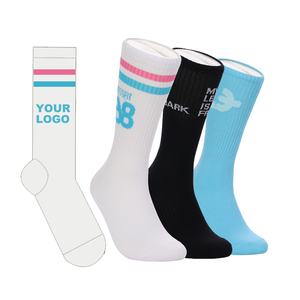
Custom Socks Factory Custom No Minimum Order High Quality Cotton White Socks Custom Socks With logo
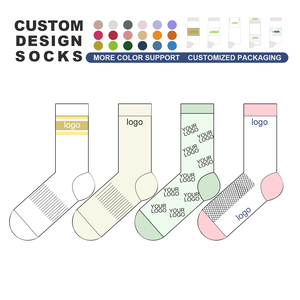
Custom Design Cotton Socken Personalized Logo Embroidered Men Tube Fashion Socks Sox Crew Dress Socks Stock Lot
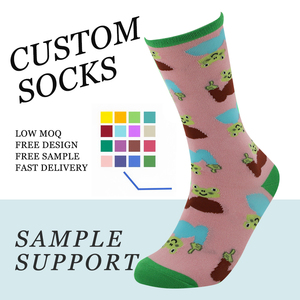
Unisex Crew Personalized Design Your Own Logo Sock Customized Socks Jacquard Custom Logo Socks Low MOQ
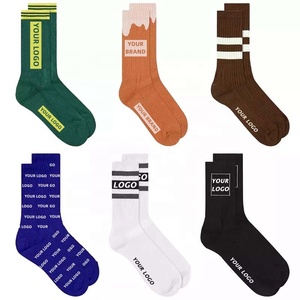
Designer Jacquard Knitted Crew 100% Cotton Thick Anti-Bacterial Brands Socks Casual Letter Bottom Logo Funny Sports Custom
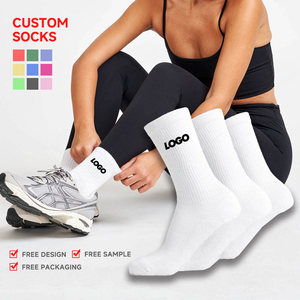
Personalized White Letter Socks Custom Logo Gym Crew Socks for Women Embroidery Sport Athletic Cotton Socks
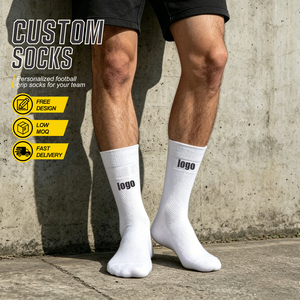
Breathable Sports Basketball Crew Men Socks Custom Socks Logo Sport Socks Running
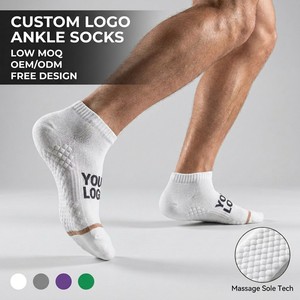
Custom Logo Massage Ankle Socks Anti-Blister Cotton Breathable Low-Cut Luxury Gift Hotel Amenity
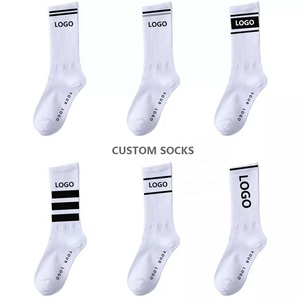
OEM Moq Fast Sample Oem Custom Logo Crew Socks Men Running Sport Socks, Cycle Athletic Custom Logo Basketball Socks
Navigating Garment Sourcing Factories & Suppliers in the Indonesia Market
The Indonesian garment and textile industry (Tekstil dan Produk Tekstil - TPT) has emerged as a cornerstone of global apparel manufacturing and regional supply chain diversification across Southeast Asia. As fashion brands, corporate procurement officers, and e-commerce labels seek resilient alternatives to traditional manufacturing hubs, Indonesia offers a compelling combination of skilled craftsmanship, competitive labor structures, expanding vertical supply chains, and favorable trade agreements. However, navigating Indonesia's supplier matrix requires a deep understanding of regional manufacturing clusters—ranging from Bandung's woven and knit specialization to Central Java's large-scale production facilities and Bali's boutique resort-wear workshops.
Evaluating an Indonesian garment manufacturer involves scrutinizing technical capabilities, minimum order quantity (MOQ) flexibilities, compliance standards, and localized material sourcing capabilities. Brand managers must carefully balance local market requirements—such as high-breathability natural fibers tailored for tropical microclimates and Halal-compliant modest fashion cuts—with international quality standards like ISO 9001, OEKO-TEX Standard 100, and WRAP certifications. This guide provides an authoritative framework for global buyers aiming to establish robust, scalable OEM/ODM apparel manufacturing partnerships in Indonesia.
Localized Application Scenarios in the Indonesian Market
Understanding user intent and consumer habits in Indonesia ensures manufactured garments achieve high sell-through rates and optimal functional performance.
1. Tropical Microclimate Active & Casualwear
Indonesia's hot and humid tropical climate (averaging 75%–90% humidity year-round) dictates strict fabric selection rules. Local consumers and tourists in hubs like Jakarta, Surabaya, and Bali prioritize hyper-breathable, moisture-wicking fabrics.
Garments built for this market utilize combed ring-spun cotton (200–240 GSM for structured tees), bamboo-derived viscose, lightweight French terry, and polyester-spandex performance blends treated with anti-bacterial and quick-dry finishes to resist odor during high-humidity wear.
2. Modest Fashion & Contemporary Fusion Wear
As one of the world's largest consumer bases for modest apparel, Indonesia demands specialized garment engineering. Sourcing factories must excel at crafting fluid silhouettes, non-see-through lightweight fabrics (such as high-grade chiffon, rayon twill, and premium crepe), and heat-regulating long-sleeve base layers.
Integrating modern urban streetwear aesthetic with modest coverage requirements opens lucrative revenue channels for domestic D2C brands and regional importers.
3. Resort, Hospitality & Corporate Merchandising
With Bali and Lombok representing global hospitality epicenters, there is immense demand for customized resort uniforms, high-end hotel amenity accessories (such as luxury anti-blister massage socks and customized embroidered robes), and corporate event apparel.
Factories capable of supplying small-to-medium batch luxury cotton goods with custom woven labels, silicone bottom prints, and retail-ready poly-bag packaging capture high-margin commercial tenders in this region.
Key Market Trends Driving Indonesian Garment Manufacturing (2025–2030)
The Indonesian apparel manufacturing sector is undergoing a massive transformation powered by digital integration, sustainability mandates, and shifting consumer demographics.
• Agile Low-MOQ On-Demand Production
Traditional factory minimums of 5,000 pieces are giving way to agile manufacturing runs of 50 to 100 units per style. Brands reduce inventory risk by testing short runs on Tokopedia, Shopee, and TikTok Shop before committing to volume scaling.
• Eco-Friendly & Sustainable Fabric Sourcing
International and domestic buyers increasingly demand GOTS-certified organic cotton, Recycled Polyester (rPET), and eco-friendly natural vegetable dyes. Circular fashion practices and OEKO-TEX certified non-toxic print inks are essential for compliance.
• Technical & Performance Accessory Integration
Custom functional accessories—including jacquard-knitted athletic crew socks, compression basketball socks, and anti-slip luxury slippers—have transitioned from basic promotional merchandise to premium brand-defining profit centers.
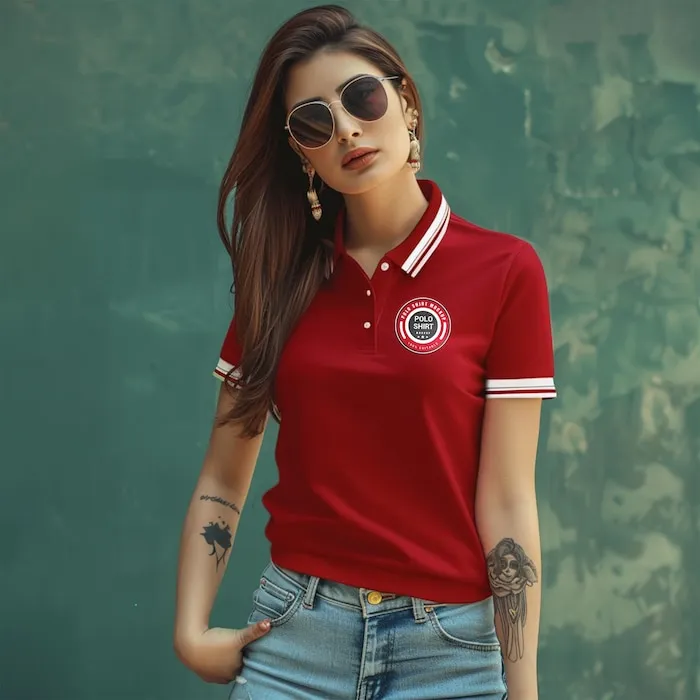
Our Core Sourcing & Manufacturing Advantages
We provide brand owners, wholesalers, and corporate buyers with an end-to-end full package (FOB/CMT) garment manufacturing infrastructure engineered for speed, precision, and scalability.
Low-MOQ Accessibility
We break down traditional barriers to entry by offering low minimum order quantities starting at 50 to 100 units per design. This enables emerging labels and established brands to test creative designs without tying up excessive working capital.
End-to-End Cut & Sew
From custom tech pack translation and CAD pattern grading to fabric sourcing, cutting, stitching, and finishing, our integrated facility manages every stage under one roof to maintain absolute quality control.
Custom Branding Solutions
Transform blank apparel into retail-ready products with woven neck labels, custom printed care tags, high-density 3D puff embroidery, screen printing (plastisol, water-based, discharge), all-over sublimation, and branded poly bags.
Tracked Global Logistics
We handle all export documentation, customs clearance filing, and door-to-door air or ocean shipping directly to major logistics hubs including Jakarta (Tanjung Priok Port), Surabaya, Bali, and worldwide destinations.
Our Rigorous 8-Stage Garment Production Lifecycle
Every bulk garment order follows a standardized 8-step quality system designed to eliminate errors, guarantee fit accuracy, and enforce on-time delivery dates.
Consultation & Tech Pack
We review your tech pack, reference samples, target price, and fabric preferences to formulate a comprehensive quote.
CAD & Pattern Making
Our pattern masters create precise digital CAD files and size grading schedules customized for your target market demographics.
Fabric Sourcing & GSM Test
Yarn and fabric lots undergo rigorous weight (GSM), stretch, composition, and color-matching lab checks prior to cutting.
Prototyping & Sampling
A physical pre-production sample is crafted and delivered for real-world fit testing, stitch review, and final client sign-off.
Precision Cutting & Sewing
Fabric panels are cut using computerized automated cutters and stitched on modern multi-needle sewing lines by master machinists.
Custom Decoration
Screen printing, high-density embroidery, or sublimation prints are applied, cured, and wash-tested for long-lasting durability.
AQL 2.5 Quality Inspection
Dedicated inspectors check seam strength, measurement tolerances, thread trimmings, and print fidelity before packing.
Final Packing & Shipping
Garments are individually poly-bagged, barcoded, boxed in reinforced export cartons, and shipped with full tracking details.
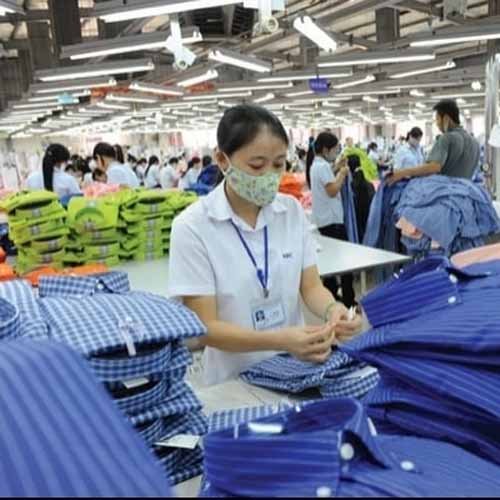
Why Professional Buyers Choose Our Manufacturing Network Over Unverified Suppliers
Unverified factories often suffer from unpredictable sizing, high fabric shrinkage after the first wash, poor colorfastness, and unannounced production delays. Our engineered production process fixes these pain points before bulk cutting starts.
- Pre-Shrunk Knits: Cotton fabrics undergo pre-washing and compacting to keep post-wash shrinkage under 3%.
- Colorfastness Standard: Guaranteed Level 4+ colorfastness against washing, perspiration, and sunlight exposure.
- Precision Seam Engineering: Reinforced double-needle stitching, 4-needle 6-thread flatlock seams for activewear.
- Transparent Schedule: Weekly milestone photo & video updates at cutting, stitching, printing, and packing.
Frequently Asked Questions by Indonesian & Global Sourcing Managers
Clear, direct answers addressing common procurement, technical customization, minimum order quantities, and regional shipping queries.
What is the standard Minimum Order Quantity (MOQ) for custom garment manufacturing?
Our minimum order quantities start at 50 to 100 pieces per style/colorway for standard knit items such as t-shirts, hoodies, and crew socks. For complex, highly structured items like custom denim jeans, lined technical outerwear, or custom Jacquard knitwear, MOQs typically range from 100 to 200 pieces to offset specialized pattern setup, dye lot minimums, and machine calibration costs.
Can you manufacture garments customized for Indonesia's tropical climate?
Yes. We offer lightweight, high-breathability fabric formulations specifically designed for tropical environments (75%–90% relative humidity). Options include 100% combed ring-spun cotton (160–200 GSM), organic bamboo viscose blends, moisture-wicking cool-max polyester knits, and anti-bacterial treatments that prevent odor accumulation during prolonged heat exposure.
What details are required to receive an accurate factory quotation?
To provide a firm price quote, our merchandisers require five key parameters: (1) Fabric composition and weight (GSM), (2) Target quantity per style/colorway, (3) Size breakdown ratio (e.g., S/M/L/XL), (4) Artwork files or tech pack showing print/embroidery placement and dimensions, and (5) Delivery destination. If you do not have a formal tech pack, sending a physical reference garment or high-resolution photo with measurements is sufficient.
How long does the sample creation and bulk production process take?
Sample creation and delivery generally take 15 to 25 business days from CAD tech pack confirmation. Once the pre-production sample is approved by your team, bulk production requires approximately 25 to 30 business days depending on order volume, fabric availability, and decoration complexity. Firm delivery target dates are locked into your invoice before deposit payment.
Do you provide full private labeling, branding, and custom packaging services?
Yes, we deliver 100% retail-ready apparel. Our private labeling capabilities include high-density woven neck tags, tagless heat-transfer neck prints, customized care/content labels, branded hangtags with safety pin attachers, custom printed poly-bags, and barcoded master cartons configured for seamless warehouse intake or direct-to-consumer 3PL fulfillment.
What shipping methods and customs documentation are available for delivery to Indonesia?
We provide full DDP (Delivered Duty Paid), DAP, and FOB shipping terms. For urgent sample drops or limited capsule launches, express air freight (DHL/FedEx/UPS) delivers directly to your door in 3 to 7 business days. For bulk production orders, sea freight services ship through primary Indonesian entry points including Tanjung Priok Port (Jakarta), Tanjung Perak (Surabaya), or Denpasar (Bali) with all commercial invoices, packing lists, and Certificate of Origin (Form E/COO) paperwork fully managed.
How do you manage quality control during mass manufacturing?
Our quality assurance framework follows international AQL 2.5 standards. Inspection occurs across four key checkpoints: (1) Raw material fabric inspection, (2) Inline sewing and seam tension verification, (3) Post-print wash and rub fastness checks, and (4) Final pre-packaging measurement audits. Any garment failing specs is pulled and re-worked before shipment.
Launch Your Garment Line With Indonesia's Preferred Sourcing Partner
Whether you are scaling a D2C fashion label in Jakarta, expanding an international streetwear collection, or sourcing custom corporate hotel amenities in Bali, our production team is ready to realize your vision.