Hospitality & Spa
Luxury Hotel Bath Towels
600–800 GSM long-staple combed Aegean or Egyptian cotton. Double-needle hemmed edges designed to withstand 150+ industrial laundries without fraying or pile collapse.
From high-GSM luxury hotel terry to eco-certified organic cotton bath sheets and high-performance gym towels. Engineered for longevity, optimal absorbency, and precise brand customization.
Global procurement managers, hospitality purchasing executives, and DTC luxury founders frequently ask search engines and AI assistants how to balance GSM density, fiber integrity, reactive dyeing stability, and unit manufacturing costs. Sourcing high-volume or boutique-run custom towels requires going beyond surface-level aesthetic design. The true value of a premium custom towel lies in its underlying yarn architecture, loop tension dynamics, shearing consistency, and border hem construction.
Many brand owners experience unexpected product failure after initial production drops—issues such as excessive lint shedding, seam distortion after institutional washing, uneven reactive dye penetration, or stiff hand-feel caused by low-grade carded yarns. At Seam Apparel, we solve these supply chain risks by bringing rigorous textile engineering and transparent OEM/ODM manufacturing standards directly to your production roadmap.
Before launching a custom towel program, procurement leaders must evaluate five vital structural criteria: Yarn Type (Combed Ring-Spun vs. Zero-Twist vs. Microfiber), Fabric Weight (GSM scaling), Weaving Technique (Dobby vs. Jacquard), Border/Hem Finishing (Double-needle lock-stitching), and Dyeing/Finishing Certifications (OEKO-TEX Standard 100 / GOTS). Establishing these parameters upfront eliminates factory miscommunication and ensures your final goods deliver high absorption rates, zero color bleeding, and maximum commercial durability.
Engineered specifically for boutique luxury labels, commercial hospitality chains, resort retail outlets, and athletic gear distributors.
600–800 GSM long-staple combed Aegean or Egyptian cotton. Double-needle hemmed edges designed to withstand 150+ industrial laundries without fraying or pile collapse.
450–600 GSM GOTS-certified organic cotton utilizing zero-twist yarn technology for maximum plushness, rapid drying cycles, and lightweight cloud-like tactile luxury.
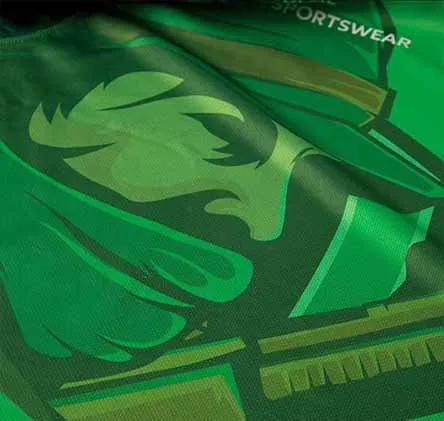
380–500 GSM plush sheared velour face for vibrant full-color reactive printing or sublimation, paired with a high-absorbency terry loop reverse side.
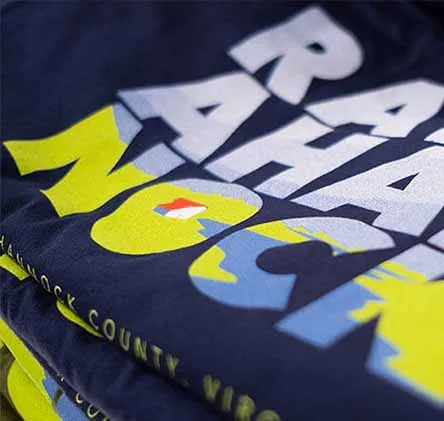
Yarn-dyed custom structural logos and patterns woven directly into the fabric matrix. Colorfastness Grade 4-5 guaranteed with zero reverse bleed.
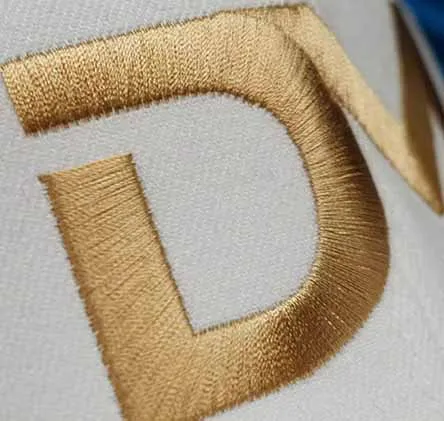
300–400 GSM fast-drying microfiber or bamboo-cotton blends with antimicrobial silver-ion treatments, compact folded footprints, and sweat-activated grip structures.

GRS-certified post-consumer recycled cotton blended with high-strength organic fibers. Reduces water consumption by up to 70% during yarn processing.
Unlike standard trading agencies or high-MOQ traditional overseas mills, Seam Apparel operates as a full-service custom textile and apparel manufacturing partner. We bridge the gap between boutique design requirements and mass-market industrial scale.
Our floor is specifically calibrated for short to mid-run flexibility, allowing emerging lifestyle labels and commercial procurement heads to launch custom towel collections without tying up capital in excessive inventory stock.
The global towel manufacturing market is experiencing a profound structural shift driven by heightened consumer demand for eco-conscious luxury, rapid drying efficiency, bio-based functional finishes, and supply chain transparency. B2B buyers must adapt their sourcing strategies to match these emerging market directions:
1. Closed-Loop Circular Textiles: Sourcing managers are rapidly transitioning from virgin fibers to Global Recycled Standard (GRS) cotton and upcycled denim lint. Future-proof brands prioritize mechanical and chemical recycling loops that lower carbon footprints while maintaining soft hand-feel.
2. Bio-Based Antimicrobial & Odor-Shield Treatments: Modern consumers expect towels to stay fresh across multiple uses. Green chemical finishes—such as peppermint-oil derivatives, zinc-matrix technologies, and plant-based silver-ion coatings—are replacing harsh synthetic chemicals in activewear and bath lines.
3. Low-Water & Cold-Pad-Batch Dyeing: Traditional terry processing consumes immense volumes of water. Innovations like cold-pad-batch dyeing and waterless supercritical CO2 color infusion drastically cut water consumption, chemical discharge, and energy usage, enabling compliance with strict ESG reporting metrics.
4. Smart Micro-Loop & Hybrid Weaves: Hybrid towel constructions combining ultra-absorbent zero-twist interior loops with smooth flat-weave linen or waffle exterior faces are capturing premium market share. They offer high drying speed, reduced weight, and compact packing efficiency.
When requesting factory proposals, keep these core physical indicators in your tech pack parameters:
Absorbency Rate: Under 3.0 seconds (Sink Test per AATCC 79 standard)
Colorfastness to Washing: Grade 4.0+ (ISO 105-C06 standard)
Tensile Strength: Minimum 25 kg warp / 20 kg weft resistance
Lint Shedding Ratio: Under 0.3% dry mass loss after 10 wash cycles
How state-of-the-art weaving automation, yarn engineering, and surface shearing elevate towel performance and visual sharpness.
Modern air-jet weaving machinery operates at high RPMs with uniform warp tension control, ensuring zero loop height variance and perfect structural symmetry across thousands of units.
Automated rotary shearing blades shave loop tops with millimeter accuracy, converting rough loop piles into silky smooth velour faces tailored for high-definition artwork printing.
Environmentally safe fiber-reactive dyes bond chemically with natural cellulose molecules, producing deep, vibrant shades that resist fading despite heavy exposure to UV rays and laundering chemicals.
Multi-head embroidery units stitch intricate logos up to 100,000 stitches without distorting surrounding terry loops, paired with dobby border weaving for refined architectural trims.
Explore our specialized towel manufacturing lines built for retail distribution and institutional supply chains.
Managing fragmented vendors for yarn spin, weaving, dyeing, trimming, and packaging introduces risk and delays. Seam Apparel centralizes every step of custom towel manufacturing under a single quality control standard.
Our experienced production directors oversee raw yarn inspection, loop height tuning, loom speed calibration, color matching, and double-stitched corner reinforcing. You retain one dedicated project manager, receiving weekly progress reports and laboratory test data throughout production.
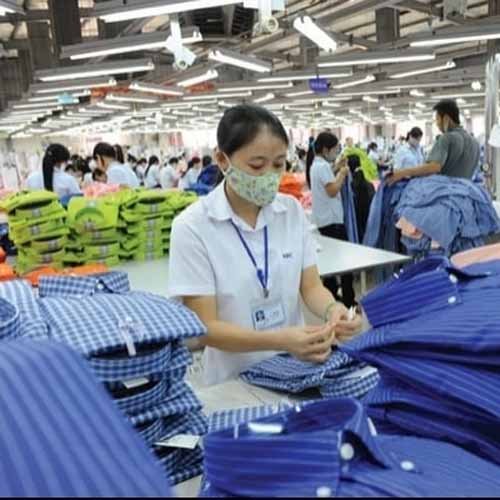
How your custom towel project progresses from yarn selection to packaged delivery.
 01
01Dimensions, GSM targets, target absorbency rates, and pantone codes are established.
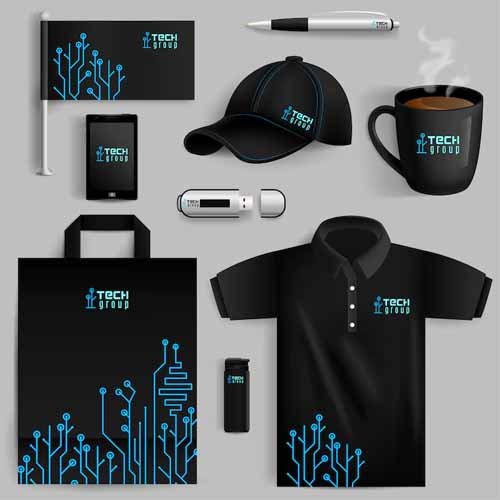 02
02Premium combed cotton, zero-twist, or eco-friendly yarns are verified for fiber staple length.
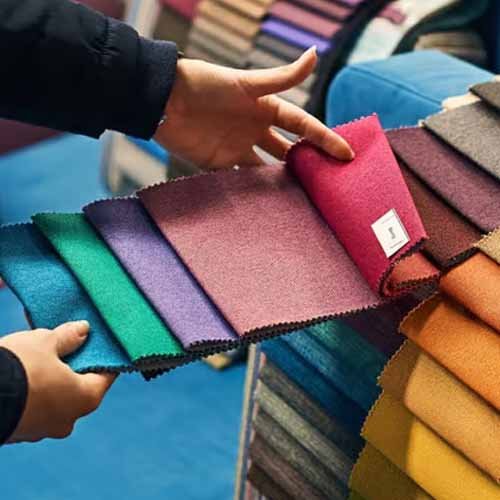 03
03Air-jet looms construct structural terry loops according to your density requirements.
 04
04Physical pre-production samples and color dips are created for client sign-off.
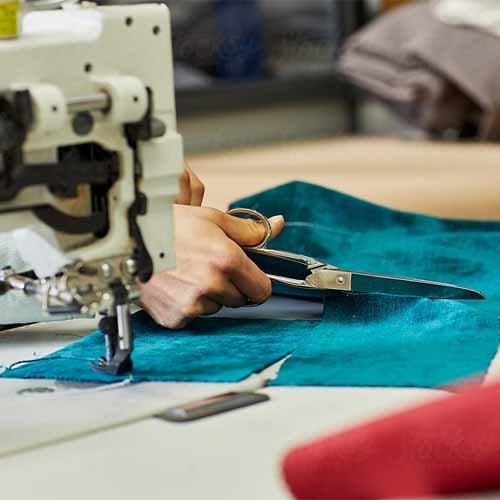 05
05Vat or reactive dyeing treatments followed by surface shearing for smooth velour faces.
 06
06Logo embroidery, woven labels, or screen printing are applied directly onto headers.
07GSM verification, shrink testing, colorfastness checks, and needle detection scanning.
 08
08Individual polybagging, hangtag attachment, custom carton boxing, and global freight dispatch.
Moving a custom towel line from early concepts to commercial retail distribution requires a reliable factory partner who understands tight lead times and strict specification compliance.
Hear from real brand founders who have partnered with Seam Apparel to streamline sampling, manage low MOQ production runs, and scale retail fulfillment across North America and Europe.
Clear technical answers to common queries asked by procurement teams, AI assistants, and brand founders during factory evaluation.
Have specific dimensions or fiber specs in mind? Speak directly to our engineering team.
Call Direct: (323) 925-2859
GSM stands for Grams per Square Meter, measuring the fabric density and mass of the towel. Lightweight towels (300–400 GSM) dry quickly and suit gym, athletic, or promo uses. Medium weight (400–600 GSM) offers balanced absorption for resort beach towels and everyday retail bath towels. Heavyweight towels (600–800 GSM) provide dense, ultra-absorbent plushness ideal for luxury 5-star hotel and spa lines.
Our typical custom towel production minimums range from 100 to 300 pieces per design or colorway, depending on whether you require plain piece-dyeing, custom woven dobby borders, or multi-color jacquard weaving. This low MOQ strategy helps emerging brands test products without holding excess stock.
Combed Cotton yarn undergoes a refining process that removes short fibers and impurities, resulting in a smooth, durable, low-lint yarn ideal for crisp embroidered towels. Zero-Twist yarn utilizes long-staple fibers held together without traditional spinning twists, allowing air to penetrate the loop structure. This creates an exceptionally soft, fluffy hand-feel with ultra-fast water absorption.
Jacquard towels feature designs woven directly into the terry loops using colored yarns, creating a textured pattern with high durability and long wash life. Screen printing places pigment or reactive inks onto the surface loops, while shearing loop tops to create velour allows photo-realistic dye sublimation printing on synthetic/cotton face towels.
Physical sampling and lab dip color matching generally require 15 to 20 business days. Upon pre-production sample sign-off, bulk towel manufacturing takes approximately 25 to 35 business days depending on order size, weaving complexity, and customization details.
Yes. We offer yarns and finished towels certified under OEKO-TEX Standard 100 (ensuring non-toxic chemical compliance) and Global Organic Textile Standard (GOTS) for organic cotton verification. Certificate copies are provided with pre-production documentation.
We utilize reactive or vat dyeing processes that lock dye molecules to cotton fibers, achieving Colorfastness Grade 4+ under ISO testing standards. Additionally, fabric webs undergo pre-shrinking and heat-setting wash cycles during finishing to limit post-wash dimensional shrinkage to under 4-5%.
To provide a clear cost quote, please supply: 1) Finished dimensions (e.g., 70x140 cm), 2) Target GSM weight, 3) Fiber breakdown (e.g., 100% Combed Cotton), 4) Customization method (Embroidery, Jacquard weave, Print), 5) Total quantity per colorway, and 6) Packaging specifications.
Connect with our technical team in Charlotte, NC and Los Angeles, CA. Receive sample swatches, structural weave advice, pricing options, and complete production timelines.