Featured Custom Garment Sourcing Catalog
Explore our core engineered apparel categories crafted with high-gauge needle tech, verified GSM cottons, and custom private-label trim specifications.
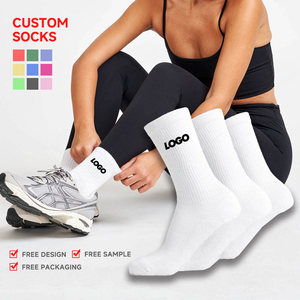
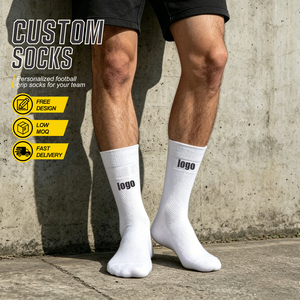
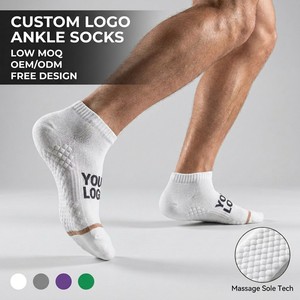
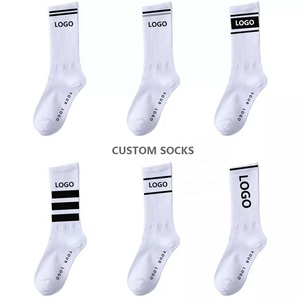
Enterprise Manufacturing Infrastructure & Sourcing Supremacy
In the contemporary B2B apparel ecosystem, securing a top trusted garment sourcing manufacturer & factory is no longer merely an operational task—it is a strategic core capability. Supply chain volatility, fluctuating fiber costs, and compressed go-to-market calendars require garment procurement executives to partner with factories offering deep technical mastery, radical transparency, and end-to-end full-package apparel manufacturing.
Operating out of major logistics hubs in Charlotte, NC and Los Angeles, CA with extensive overseas mill integrations, our full-package ecosystem turns complex tech packs into shelf-ready retail collections. We eliminate traditional supply chain friction by uniting pattern drafting, textile milling, lab testing, cut-and-sew assembly, custom decoration, quality inspection, and international logistics under a unified control matrix.
The Information Gain Standard: Unlike traditional middleman agencies, our facility operates on rigorous quantitative quality assurance standards. Every cotton knit lot undergoes GSM weight verification, ISO 105 colorfastness testing, dimensional stability evaluations (wash-shrinkage testing within strict +/- 3% tolerances), and AQL 2.5 final carton inspections prior to freight release.
Core Pillars of Our Garment Manufacturing Floor
Full-Package Cut & Sew
Precision pattern grading, marker optimization to minimize fabric yield waste, digital CAD drafting, and structural seam assembly tailored to exact specification sheets.
Turnkey Private Labeling
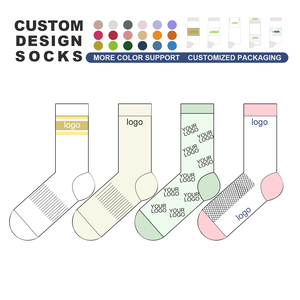
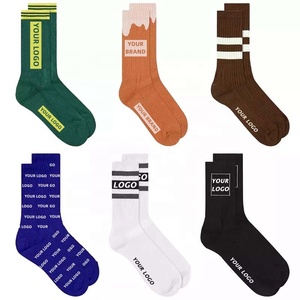
Complete custom branding execution: high-density woven neck tags, screen-printed wash care labels, custom hangtags, branded poly bags, and barcoded retail shippers.
Multi-Technique Decoration
Industrial capacity for 3D puff embroidery, high-gauge jacquard knitting, plastisol and eco-friendly water-based screen printing, and all-over dye sublimation.
The 8-Stage Precision Garment Production Lifecycle
To eliminate costly revisions and guarantee on-time retail deliveries, our factory enforces a standardized 8-phase production control system. Each milestone requires technical sign-offs from both our head pattern engineer and the client’s procurement team.
Design & Tech Pack Audit
Reviewing vector artwork, Bill of Materials (BOM), measurement specs, and target GSM to confirm manufacturing feasibility.
CAD Pattern Drafting
Converting design concepts into digital master patterns, setting size grading metrics, and planning marker efficiency.
Material Sourcing & Testing
Matching yarn gauges, combed cotton fibers, elastane ratios, and securing lab-dip Pantone color approvals.
Pre-Production Sampling
Fabricating physical fit prototypes for wear-testing, tactile hand-feel validation, and structural seam inspection.
Automated Cutting & Sewing
Precision computer-guided fabric cutting followed by line assembly utilizing heavy-duty industrial sewing systems.
Decoration & Customization
Executing high-density embroidery, jacquard logo weaving, screen printing, or heat transfers under temperature control.
AQL 2.5 Quality Inspection
Rigorous inline and final carton audits checking seam tension, dimensional tolerance, print cure, and thread trimmings.
Packaging & Global Logistics
Individual poly-bagging, barcode labelling, export carton packing, and direct-to-warehouse tracked freight shipping.
Strategic Outlook: Future Sourcing & Apparel Procurement Trends
The global textile and garment sourcing landscape is undergoing a structural paradigm shift driven by digital integration, sustainability mandates, and demand for supply chain agility. Apparel brands navigating the 2025–2030 market must align with manufacturing partners capable of integrating these transformative trends:
1. Nearshoring and Hybrid Supply Chain Models
Geopolitical turbulence and ocean shipping delays have exposed the vulnerabilities of over-centralized manufacturing. Forward-thinking apparel brands are adopting a hybrid sourcing model: placing foundational core styles in high-capacity overseas facilities while utilizing nearshore or domestic US production hubs (such as our Charlotte and Los Angeles centers) for fast-turnaround seasonal capsules and immediate inventory replenishment.
2. Small-Batch Flexibility vs. Massive Inventory Risk
The historical model of ordering 5,000 units per colorway to achieve unit cost parity is dying. Inventory holding costs and steep markdown markdowns are forcing brands toward low Minimum Order Quantity (MOQ) manufacturing strategies (50–100 pieces per style). By testing market demand with agile initial runs, brands preserve working capital, analyze real sell-through data, and rapidly scale winning designs without stockroom liquidation risks.
3. Traceable Sustainability & Certified Materials
Regulatory frameworks such as the EU Digital Product Passport and stricter FTC greenwashing guidelines require end-to-end transparency. Modern sourcing contracts mandate certified raw materials—including GOTS (Global Organic Textile Standard) certified organic cotton, GRS (Global Recycled Standard) polyester, and OEKO-TEX Standard 100 non-toxic dyes. Suppliers must provide verifiable chain-of-custody documentation alongside physical shipment clearance.
4. High-Gauge Micro-Functionality in Everyday Apparel
Consumer expectations have blurred the line between casual fashion and performance activewear. Sourcing managers now prioritize technical fiber enhancements in standard garments: anti-bacterial silver-ion treatments, moisture-wicking synthetic blends, micro-terry impact cushioning in knits, and anti-blister yarn engineering. Factories capable of executing seamless jacquard knits and technical fabric finishing hold a clear competitive advantage.
Garment Industry Technological Innovations & Manufacturing Evolution
The transition from analog apparel production to Industry 4.0 smart manufacturing is redefining factory floor efficiency, sample precision, and textile durability. Key technological advancements shaping our manufacturing setup include:
- Digital CAD & 3D Virtual Prototyping: By creating 3D digital garment renderings mapped onto virtual avatars, we reduce physical sampling iterations from 4 rounds down to a single physical fit sample, cutting lead times by up to 60%.
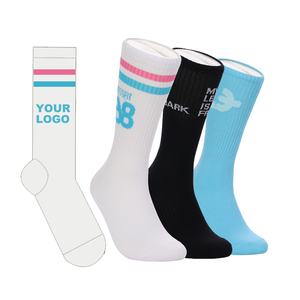
- 200-Needle High-Precision Knitting: Utilizing high-density computerized circular knitting machines allows for intricate logo placement, ultra-smooth tactile surfaces, and zero loose-thread interior floating yarns in sock and activewear manufacturing.
- Eco-Friendly Cured Inks & Sublimation Systems: Transitioning to water-based inks and zero-water-discharge dye sublimation ensures vivid color yields that endure over 50 industrial wash cycles without cracking, fading, or peeling.
- Automated Fabric Spreading & Laser Cutting: Computerized cutter tables achieve millimeter-perfect panel accuracy, eliminating human cutting variations across bulk size runs (XS to 3XL).
Frequently Asked Questions | B2B Garment Sourcing & Procurement
What is the standard Minimum Order Quantity (MOQ) for custom garment manufacturing?
Our minimum order quantities start flexibly at 50 to 100 pieces per style/colorway depending on the product category. Knitted accessories and basic apparel (such as custom t-shirts, hoodies, and crew socks) sit at the lower end of this threshold. Complex structured garments like custom denim jeans, lined outerwear, or technical activewear require higher minimums due to machine setup, fabric milling minimums, and pattern grading requirements.
How are sampling and bulk production timelines calculated?
Once your tech pack or reference sample is audited, physical prototype sampling takes approximately 20 to 25 business days, inclusive of fabric sourcing, custom lab-dip dyeing, and sample construction. Upon client sign-off of the pre-production sample, bulk manufacturing typically runs 25 to 30 business days. Exact timelines depend on order complexity, custom trim lead times, and seasonal factory scheduling.
What technical information is required to receive an exact production quote?
To provide an accurate, non-binding factory quote, our pricing team requires five key data points: (1) Fabric composition and weight in GSM, (2) Detailed Pantone color codes or swatch references, (3) Size breakdown and grading specs, (4) Artwork positioning, dimensions, and technique (embroidery, screen print, jacquard), and (5) Total target quantity per style.
Do you provide complete private labeling and retail packaging services?
Yes, we operate as a full-package private label apparel factory. We fabricate custom woven main neck labels, printed satin care tags, size tags, custom branded hangtags with safety pins or cord attachments, barcoded poly bags, and customized corrugated shipping boxes. Garments arrive folded, bagged, labeled, and ready for immediate retail display or 3PL fulfillment intake.
How does your facility handle quality control (QC) and defect prevention?
We enforce strict Inline Quality Assurance and follow international AQL 2.5 (Acceptable Quality Limit) standards for final pre-shipment inspections. Raw fabrics are checked for weight, stretch recovery, and color accuracy prior to cutting. Assembled garments undergo seam pull tests, dimensional stability wash tests, print cure checks, and 100% visual inspections for loose threads, missing stitches, or stain defects.
What international shipping options and export documentation are provided?
We ship finished goods globally across North America, Europe, the UK, Australia, and the Middle East via express air courier (DHL, FedEx, UPS) for quick capsule launches, or ocean freight (FCL/LCL) for high-volume bulk orders. We provide complete commercial invoices, packing lists, Certificate of Origin paperwork, and customs declaration documentation for smooth clearance without unexpected port delays.
Accelerate Your Apparel Sourcing Strategy Today
Partner with a trusted, engineering-first apparel manufacturer. Send your tech pack, vector artwork, or sample specs to receive a comprehensive factory quotation and material consultation.