0%

In 2026, choosing a kidswear supplier means looking beyond a polished sample and a low unit price. Buyers need to assess fabric consistency, stitching, size grading, production capacity, and communication. A soft cotton T-shirt may feel right in a showroom, yet vary after washing or across a full production run. Small details matter.

Kids Clothing Manufacturing also calls for careful attention to age-appropriate design, material quality, and dependable quality checks. Dr. Sheng Lu, an apparel industry researcher, is a useful expert reference for understanding global sourcing and trade. However, no source text was provided to verify a direct quotation from him, so I won’t invent one. A practical buyer’s principle for this guide is: “A strong supplier proves consistency in production, not just in the sample.”

The manufacturers featured in this outline should be compared on transparent capabilities, product range, lead times, customization, and quality-control processes. Ask how they handle fabric changes, fit approvals, and defects before placing a large order. Request clear answers—and supporting records where available. Not every supplier will make a good fit; even a capable factory may not suit every buyer’s budget or schedule. That deserves a closer look. The goal is not to crown one universal winner, but to help global buyers shortlist partners with evidence, realistic expectations, and room for improvement.
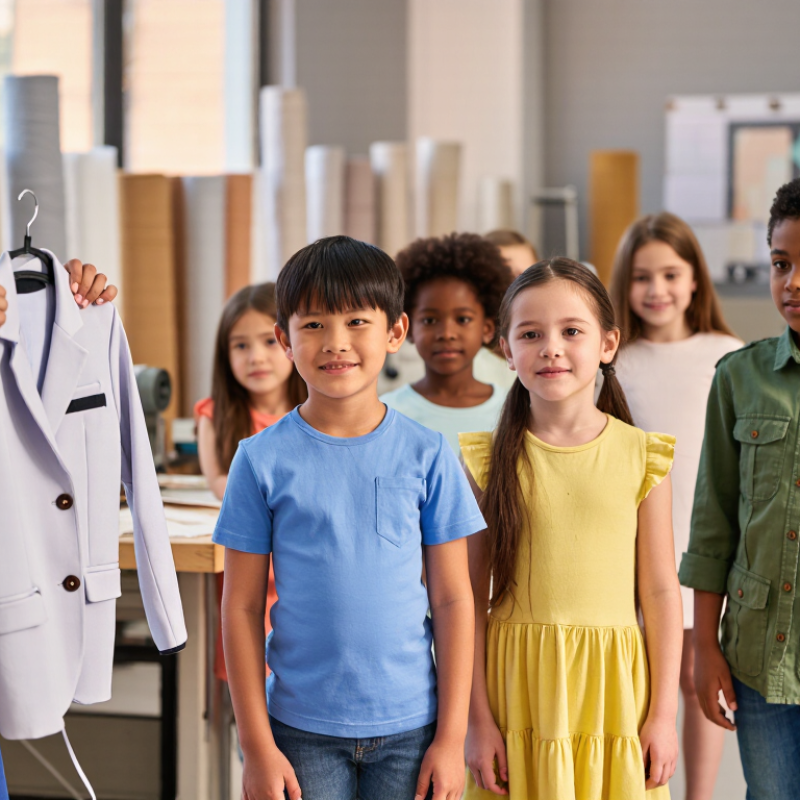
Top Kids Clothing Manufacturers in 2026 for Global Buyers

How the Global Kidswear Manufacturing Market Is Organized in 2026

In 2026, the global kidswear market is organized around different production roles, not one standard factory model. Some manufacturers handle fabric sourcing, cutting, sewing, and finishing under one roof. Others focus on cut-and-sew work, while buyers or sourcing partners arrange materials separately. Production clusters often specialize in particular fabrics or garment types. Capabilities can vary, even between neighboring factories.

For global buyers, the practical differences show up in minimum order quantities, sampling speed, and production control. A factory with in-house fabric access may simplify coordination, but it does not guarantee consistent color or fit. Ask who approves fabric lots, how size sets are checked, and what happens when a sample differs from bulk production. Request current capacity details and recent quality records. Paperwork helps, but a clear production conversation matters too. It varies. Buyers should also check whether factory claims can be verified independently.

Tips: Start with a small, clearly specified order. Share measurement charts, fabric requirements, and label placement before sampling. Keep written approval records, and ask for photos of key production stages. Build in time for corrections; schedules can slip, and early samples are not always perfect.

Which Products and Sourcing Models Leading Manufacturers Offer

Leading children’s clothing manufacturers commonly offer bodysuits, leggings, knit sets, pajamas, schoolwear, and lightweight outerwear. Ask to inspect real samples: a soft cotton jersey can still twist after washing, and tiny snaps may be awkward for caregivers. Fit still matters. Textile Exchange’s 2024 Materials Market Report estimated global fiber production at 124 million tonnes in 2023, with recycled fibers accounting for 7.7%. This is useful context, not proof that a garment is sustainable; request material specifications and test documentation.

Sourcing models range from CMT, where buyers supply materials, to full-package production, which can include fabric purchasing, sampling, sewing, and packing. OEM production follows a buyer’s design; ODM offers ready-developed styles for adaptation. Smaller test orders may help assess sizing and workmanship, but can raise unit costs. Clarify minimum quantities, sample fees, lead times, size grading, and who approves fabric substitutions in writing.

Tips: Request a size-set sample, then wash it before approval. Check seam comfort, color transfer, label placement, and snap strength. Ask for a dated production timeline and written inspection criteria. Don’t rely on a catalog photo.

Top Kids Clothing Manufacturers for Different Global Buyer Needs

Global buyers rarely need the same kind of children’s clothing manufacturer. A small retailer may prioritize low minimum order quantities and flexible color choices. A large chain may need steady production, repeatable sizing, and clear delivery schedules. Ask how the factory handles size grading, sample approval, and changes between production runs. Fit varies. A sample that looks right on one child may not suit every size.

For buyers developing a new collection, look for teams that can explain fabric weight, seam construction, and trim options in plain language. Request a sample using the intended fabric, not just a similar substitute. Check the inside seams, neck labels, snaps, and wash results. Details matter. Written inspection steps can help buyers compare batches, though a checklist alone cannot prevent every defect.

Buyers with sustainability goals should ask specific questions about fiber content, supplier records, and production waste. Vague promises are hard to verify. Ask for relevant documents and confirm what they cover before placing a large order. Communication is another practical test: send a small set of technical questions and note whether answers are prompt and precise. Even a capable manufacturer may struggle with a buyer’s timeline or preferred order size, so discuss constraints early. A polished showroom can impress, but production capacity and follow-through deserve closer attention.

Top Kids Clothing Manufacturers in 2026: Compliance Priorities for Global Buyers

Selected chemical limits buyers may need to check for children’s apparel and its components. Values are shown in mg/kg (ppm); the rules cover different substances and product scopes, so they are not directly interchangeable.

Buyer note: Confirm which requirements apply to the finished garment, trims, prints, and other accessible components in each destination market.

Sources: U.S. CPSC lead limits; EU REACH Annex XVII, Entry 43 (azo dyes); U.S. CPSC phthalate limits.

How to Compare Manufacturers on Quality, Compliance, and Capacity

Quality, compliance, and capacity are more useful comparison points than a low quote alone. For children’s clothing, inspect stitching, seam strength, fabric feel, and wash-test results. Ask for sample garments in several sizes. Check the seams. Look for puckering, loose threads, and snaps that feel difficult to fasten. A sample can look excellent while bulk production varies, so request inspection records from recent orders.

Compliance should be supported by current, relevant documentation, not vague assurances. Ask which product tests the manufacturer can arrange and whether reports match the specific fabric, color, trim, and production site. Review labeling and material records against your destination-market requirements. Keep copies. Documents can still be incomplete or outdated; confirm their scope and dates, and seek qualified guidance when requirements are unclear.

Capacity means more than a large monthly output. Discuss minimum order quantities, production lead times, staffing during peak seasons, and how defects are handled. Ask how the factory tracks fabric lots and checks garments before packing. A simple production calendar can reveal bottlenecks early. If possible, start with a manageable order and compare delivered goods with approved samples. That takes extra time, but skipping it can leave buyers guessing.

How Global Buyers Can Plan and Manage a Kidswear Order

Top Kids Clothing Manufacturers in 2026 for Global Buyers

A reliable kidswear order starts with a clear product brief. Specify the age range, size chart, fabric composition, colors, trims, and packaging before requesting quotes. For example, note whether a cotton top needs a soft neck label and reinforced shoulder seams. Small details matter. Ask for a sample made with the intended fabric, not a substitute, and check fit after washing. Children move, spill, and grow quickly; a neat sample alone does not prove lasting comfort.

Agree on order quantities, sample approval dates, production milestones, and shipping terms in writing. Build time for revisions and inspection into the schedule. Confirm how size ratios will be packed, and request progress photos at agreed checkpoints. Keep one approved sample for comparison with finished goods. This helps, though photos cannot replace a hands-on inspection. I would allow more time than the first timeline suggests; delays can happen even with careful planning.

Tips: Send one measurement sheet with clear diagrams, and use the same version for every supplier. Record comments by sample number, such as “size 5 sleeve is 1 cm short.” Check stitching, print placement, color consistency, and garment measurements across several sizes. Leave room for corrections. Before shipment, confirm carton labels, quantities, and documents against the purchase order. A final checklist feels repetitive, but missed details can be costly.

FAQS

What production models do kidswear manufacturers use?

Some manage fabric sourcing, cutting, sewing, and finishing. Others provide cut-and-sew services while buyers arrange materials. Capabilities vary.

Which children’s clothing products are commonly available?

Common options include bodysuits, leggings, knit sets, pajamas, schoolwear, and lightweight outerwear. Inspect real samples before choosing.

What is the difference between CMT, full-package, OEM, and ODM?

With CMT, buyers supply materials. Full-package production may include sourcing, sampling, sewing, and packing. OEM uses a buyer’s design; ODM offers developed styles for adaptation.

What should buyers check when reviewing fabric claims?

Request material specifications and test documents. Recycled content figures provide context, but do not prove a garment is sustainable.

How can buyers assess a sample properly?

Request a sample made with the intended fabric, then wash it. Check fit, seams, color transfer, labels, and snap strength. Catalog photos aren’t enough.

What details should a product brief include?

Specify age range, measurements, fabric composition, colors, trims, and packaging. Include details such as neck labels and reinforced shoulder seams.

How can buyers reduce production misunderstandings?

Confirm quantities, approvals, milestones, and shipping terms in writing. Use one measurement sheet, keep sample comments, and request progress photos. Paperwork helps, but it isn’t a substitute for inspection.

How much time should buyers allow for an order?

Build in time for sampling, revisions, and inspection. Schedules can slip, even with careful planning. Leave room for corrections.

Conclusion

This guide explores how the global kidswear market is organized in 2026, from specialist factories and large-scale producers to sourcing partners that coordinate product development and production. It outlines the range of clothing and sourcing models available to global buyers, including options suited to different order sizes, budgets, and product requirements. The goal is to help buyers understand the landscape of Kids Clothing Manufacturing and identify the type of supplier that best matches their needs.

It also explains how to compare manufacturers by assessing product quality, relevant compliance practices, production capacity, communication, and delivery planning. Buyers can use these considerations to build a practical sourcing plan, define specifications and timelines, manage samples and production milestones, and prepare for potential delays. With a structured approach, businesses can make informed supplier choices and oversee kidswear orders more effectively from initial planning through completion.

Clara

Clara

Clara is a dedicated marketing professional who combines strategic insight, creative communication, and a deep understanding of the company’s products. With extensive experience in market research, content strategy, and customer-focused communication, she plays an important role in presenting the......