0%

The global tracksuit market is entering 2026 with stronger demand for comfort, performance, and responsible sourcing. Tracksuit Manufacturing now serves gyms, schools, streetwear labels, football clubs, and private brands. Buyers must evaluate more than factory photographs and attractive sample prices.

Grand View Research estimates that the global sports apparel market reached approximately USD 248.9 billion in 2023. Its report also projects continued growth through 2030, supported by fitness participation, athleisure adoption, and online retail. These trends create opportunities for capable suppliers, but they also increase sourcing risks. Production capacity can look impressive on paper. Quality consistency may tell a different story.

The Textile Exchange Materials Market Report highlights the importance of recycled fibers, traceability, and material-impact measurement across the textile industry. Meanwhile, the World Trade Organization continues to document how global merchandise trade depends on complex, interconnected supply chains. Therefore, the best tracksuit suppliers should demonstrate verifiable factory details, reliable lead times, fabric testing, and transparent compliance records.

Practical evaluation matters. Request a 300-gram fleece sample, inspect zipper alignment, and wash the garment repeatedly. Check whether rib cuffs recover their shape. Ask for test reports covering colorfastness, shrinkage, pilling, and fabric composition. Certifications help, but they do not replace direct verification.

This guide compares leading worldwide suppliers for 2026. It considers manufacturing experience, customization, minimum order quantities, communication, sustainability practices, and quality control. Some conclusions remain imperfect because supplier performance can vary by season, order size, and product complexity. That limitation deserves attention. A factory producing excellent samples may still struggle during peak production. Reliable sourcing requires evidence, not promises.
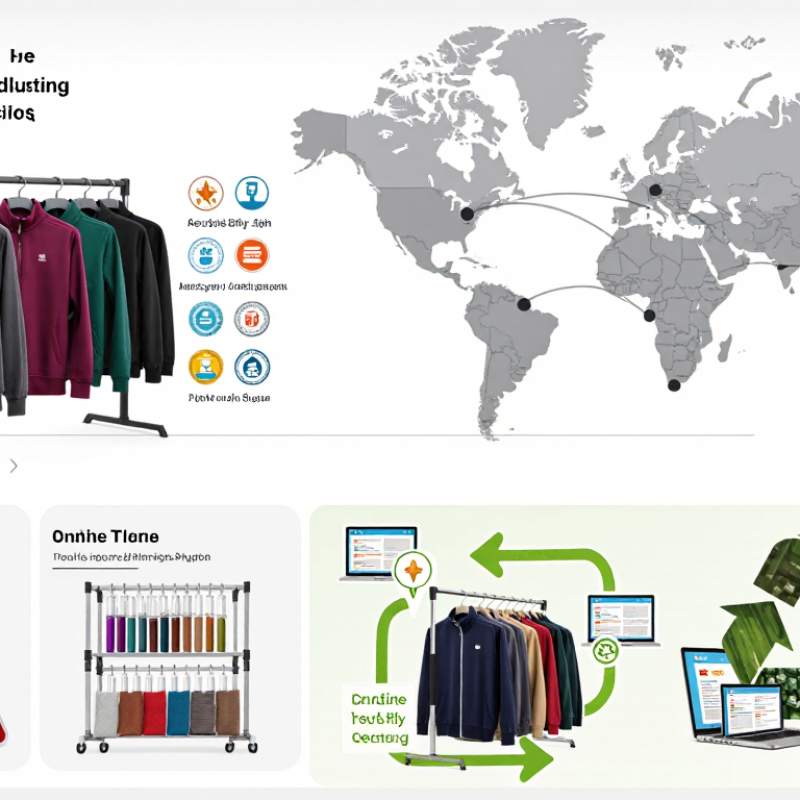
2026 Best Tracksuit Manufacturing Suppliers Worldwide

Global Tracksuit Supplier Landscape in 2026

In 2026, the global tracksuit supplier landscape is becoming more regional, technical, and transparent. Suppliers in Asia remain strong in large-volume production, while Eastern Europe, Türkiye, and Latin America support shorter delivery cycles. The best manufacturing partner depends on product complexity, not only unit price. A brushed fleece set needs different controls from a lightweight, moisture-wicking training suit.

Industry data shows why material knowledge matters. Textile Exchange’s Materials Market Report 2024 recorded global fiber production at about 124 million tonnes in 2023. Polyester represented roughly 57% of total output. The report expects fiber production to approach 160 million tonnes by 2030. This growth increases pressure on suppliers to document recycled content, dyeing processes, and wastewater management. The data is useful, but not perfect. It does not measure every tracksuit order or factory risk.

Tips: Request a recent social-audit summary, fabric test report, and production sample. Check shrinkage after washing, zipper strength, colorfastness, and seam recovery. Ask whether the factory can maintain the same fabric batch across repeat orders. A low quote may hide weaker inspection or higher shipping costs. The World Trade Organization’s World Trade Statistical Review 2024 also shows continuing complexity in global merchandise trade, making customs documents and product classification essential. Experienced buyers should compare landed cost, lead time, minimum order quantity, and corrective-action history. Supplier rankings can help, but direct verification is still necessary.

2026 Best Tracksuit Manufacturing Suppliers Worldwide

Global tracksuit supplier landscape by apparel export value. The figures use the latest comparable full-year apparel-export data available and serve as a market-size proxy for manufacturing capacity.

China, Bangladesh, Vietnam, Italy, Germany, India, Türkiye, and Cambodia are shown as major apparel manufacturing hubs. Export value does not represent tracksuit-only production or indicate factory quality; buyers should also assess MOQ, lead time, compliance, fabric capability, and quality-control systems.

Source: WTO and UN Comtrade apparel merchandise trade statistics, latest comparable annual data; values rounded to USD billions.

Key Criteria for Evaluating Tracksuit Manufacturers

When evaluating tracksuit manufacturers for 2026 sourcing, product consistency matters more than attractive sample photos. Request size charts, fabric composition, shrinkage results, colorfastness data, and wash-test records. A reliable supplier should explain stitching density, zipper performance, seam strength, and fabric recovery in clear terms. Ask for a production sample, not only a showroom sample.

Capacity also needs evidence. Textile Exchange reported that global fiber production reached 124 million tonnes in 2023, showing the scale and pressure within textile supply chains. Suppliers should disclose monthly capacity, minimum order quantities, lead times, and subcontracting arrangements. Traceability is essential, especially for recycled polyester or certified fibers. Certificates should be verifiable, current, and linked to the actual production site. Paperwork alone is weak evidence.

Audits should cover worker safety, chemical management, wage practices, and environmental controls. The McKinsey–BoF State of Fashion 2025 reported continued low-single-digit growth expectations, making cost discipline important. Still, the lowest quotation may hide weaker fabric, rushed inspections, or unstable delivery. I would compare at least three suppliers using the same technical brief and scoring sheet. Even then, judgment remains imperfect. A factory may pass an audit and still miss color consistency during peak season. Build inspection checkpoints before cutting, during sewing, and before shipment. Keep communication written, measurable, and practical.

Regional Manufacturing Strengths and Capabilities

2026 Best Tracksuit Manufacturing Suppliers Worldwide
Regional Manufacturing Strengths and Capabilities

Tracksuit sourcing works best when regional strengths match product requirements. China offers deep vertical integration, from yarn development to automated cutting and finishing. The World Trade Organization’s World Trade Statistical Review 2024 confirms China remained the leading clothing exporter in 2023. This scale supports complex orders, but supplier selection still requires factory-level verification.

Vietnam is strong in cut-and-sew production, synthetic fabrics, and export compliance. Bangladesh provides large knitwear capacity and competitive labor costs. The International Trade Centre reported Bangladesh among the world’s leading apparel exporters in 2023. However, heavy dependence on imported materials can extend development timelines. That weakness matters.

Turkey supports shorter European delivery cycles and flexible replenishment. Its nearby fabric base can reduce transport time. Portugal is better suited to smaller runs, refined stitching, and technical sampling. The European Commission’s textile ecosystem reports continue to highlight Europe’s move toward circularity and higher-value production. These capabilities suit premium tracksuits, but capacity may be limited.

Material decisions also need evidence. Textile Exchange’s Materials Market Report 2024 states that polyester represented about 57% of global fiber production in 2023. Recycled polyester reached roughly 12% of polyester output. These figures show why fabric traceability deserves factory audits, not marketing claims. In practice, no region wins every brief. A low quotation can hide slower sampling, inconsistent sizing, or weak testing discipline. Supplier comparisons should measure lead time, defect rates, laboratory results, and minimum order quantities together.

Production, Customization, and Quality Control Processes

2026 Best Tracksuit Manufacturing Suppliers Worldwide

Production, Customization, and Quality Control Processes

Reliable tracksuit suppliers begin with measurable production controls, not attractive product photos. They review fabric weight, fiber content, shrinkage, colorfastness, and stretch recovery before cutting begins. A practical supplier should provide a clear sample timeline and record every material approval. Small details matter. A misplaced seam can affect comfort and durability.

Customization requires more than adding a logo. Suppliers may adjust collar height, cuff tension, pocket depth, panel shapes, and garment length. Technical specifications should include graded measurements for every size. Digital patterns can reduce cutting errors, but physical samples remain essential. Experienced teams test zippers, drawcords, embroidery, and printed areas after repeated movement and washing.

Quality control should continue throughout production. Inspectors can check fabric rolls under bright lighting, measure key points, and examine stitching density. Finished garments need checks for loose threads, uneven panels, skipped stitches, shade variation, and packaging accuracy. Random inspections alone may miss recurring problems, so production records should be reviewed by batch. No factory is flawless. In practice, even strong suppliers can overlook a minor fit issue during a busy season. Transparent reporting, corrective samples, and documented rechecks reveal more reliability than confident promises. A supplier that accepts feedback and improves its process is often more dependable than one claiming perfect output.

Sourcing, Compliance, and Supplier Selection Practices

For 2026 tracksuit sourcing, supplier selection should begin with production evidence, not attractive samples. Textile Exchange’s 2024 Materials Market Report estimates that global fiber production reached 124 million tonnes in 2023. Polyester represented the largest share. Ask factories to identify fiber origins, recycled content, dye houses, and subcontractors. Request recent production records, not only presentation documents. A factory visit should include cutting rooms, sewing lines, storage areas, and wastewater controls.

Compliance needs practical verification. The OECD Due Diligence Guidance for Responsible Supply Chains in the Garment and Footwear Sector recommends risk-based checks across labor, environmental, and purchasing practices. Review wage records, working-hour logs, grievance channels, fire-safety training, and chemical inventories. Check whether corrective actions were closed with dated evidence. A polished audit can still hide weak worker feedback. Interview workers privately.

Selection teams should score suppliers using measurable categories: quality consistency, capacity, lead time, traceability, corrective-action speed, and responsible production. Textile Exchange also projects global fiber demand could approach 160 million tonnes by 2030, increasing pressure on material planning and verified sourcing. Request a pilot order with detailed measurements, wash testing, seam-strength checks, and colorfastness results. Keep one sealed sample for comparison. Do not rely on one successful shipment. My own caution is simple: certifications help, but they do not replace factory-level observation, repeated testing, and honest supplier communication.

2026 Best Tracksuit Manufacturing Suppliers Worldwide - Sourcing, Compliance, and Supplier Selection Practices

Indicative 2026 sourcing benchmarks for private-label and contract tracksuit manufacturing. Lead times, order quantities, pricing, and capabilities vary by fabric, construction, customization, and audit status.
Manufacturing Region Typical Supplier Profile Common Tracksuit Materials Customization Capability Indicative MOQ Range Typical Production Lead Time Relevant Compliance Checks Key Supplier-Selection Advantages Recommended Buyer Verification
East Asia Large-scale cut-and-sew factories and vertically coordinated sportswear producers Polyester interlock, fleece, nylon, elastane blends, recycled polyester High; custom patterns, heat transfer, embroidery, sublimation, trims, and packaging 300–1,000 pieces per color or style 45–75 days after sample and material approval Restricted substances, colorfastness, dimensional stability, social audits, factory safety Broad fabric access, mature export processes, strong product-development infrastructure Review production records, test reports, subcontractor disclosure, and pre-shipment inspection results
South Asia Export-oriented garment manufacturers with strong cut-and-sew and embroidery capacity Cotton jersey, cotton-polyester fleece, terry, polyester mesh, elastane jersey Medium to high; embroidery, screen printing, appliqué, and basic technical detailing 500–2,000 pieces per style 50–90 days, depending on fabric sourcing Worker welfare, wage records, fire safety, chemical controls, fiber-content labeling Competitive labor costs, established apparel workforce, and strong knitwear expertise Conduct factory and labor-practice audits; confirm fabric composition and capacity during peak season
Southeast Asia Mid-sized and large apparel exporters serving sportswear, athleisure, and private-label programs Moisture-management polyester, nylon, spandex, fleece, recycled synthetic fibers High; technical fabrics, bonded details, reflective elements, and performance finishing 300–1,500 pieces per style 45–80 days after approval of pre-production samples Chemical management, labor standards, fire protection, traceability, and product safety Balanced cost and quality, growing technical capability, and diversified export experience Validate factory ownership, production-line allocation, testing scope, and shipment history
Türkiye and Eastern Europe Flexible manufacturers focused on fast replenishment, fashion sportswear, and regional delivery Cotton fleece, viscose blends, polyester jersey, rib knit, recycled fibers High; fashion trims, garment dyeing, embroidery, printing, and small-batch development 150–800 pieces per style 30–60 days for approved repeat programs EU chemical restrictions, worker safety, social compliance, origin documentation Shorter regional transit times, smaller production runs, and quick sampling cycles Confirm delivery terms, origin rules, customs documentation, and capacity for repeat orders
Western and Southern Europe Specialized premium or technical manufacturers with smaller production volumes Technical polyester, merino blends, recycled polyamide, high-stretch performance fabrics Very high; advanced pattern engineering, premium trims, and performance finishing 50–500 pieces per style 35–75 days, depending on fabric availability REACH-related chemical controls, product safety, labor compliance, recycled-content claims Strong quality systems, product engineering, and proximity to European distribution markets Check material certifications, technical test methods, quality manuals, and claims substantiation
North Africa Nearshore garment factories supplying European and regional apparel programs Cotton jersey, polyester jersey, fleece, viscose blends, elastane fabrics Medium to high; cut-and-sew, printing, embroidery, and basic performance garments 300–1,500 pieces per style 35–70 days after confirmation of materials Social compliance, workplace safety, chemical controls, and export documentation Nearshore logistics, manageable order quantities, and shorter replenishment cycles for nearby markets Assess fabric availability, customs processes, workforce stability, and production continuity plans
Latin America Regional suppliers serving domestic, North American, and nearshore private-label markets Polyester jersey, cotton blends, fleece, nylon, elastane performance fabrics Medium to high; sportswear basics, printing, embroidery, and branded packaging 200–1,000 pieces per style 40–80 days, excluding imported-material delays Labor standards, product labeling, chemical restrictions, and import-market requirements Time-zone alignment with the Americas, regional logistics, and flexible communication Verify local-content claims, tariff treatment, supplier liquidity, and material lead-time exposure
North America Domestic or nearshore contract manufacturers focused on premium, rapid-response, and technical programs Performance polyester, recycled fibers, cotton fleece, technical nylon, stretch blends Very high; prototyping, technical packs, small runs, and specialized finishing 50–500 pieces per style 20–60 days, depending on fabric and trim availability Consumer product safety, fiber labeling, restricted substances, labor, and traceability Fast communication, lower minimums, easier onsite review, and shorter domestic replenishment Compare landed cost, confirm domestic content where applicable, and inspect quality-control documentation
Sub-Saharan Africa Developing apparel manufacturers with regional production and selected export capabilities Cotton jersey, polyester jersey, fleece, blended knits, and locally sourced fabrics where available Basic to medium; cut-and-sew, screen printing, embroidery, and standard tracksuit construction 500–2,000 pieces per style 60–100 days, subject to material and logistics availability Worker welfare, workplace safety, environmental permits, chemical controls, and traceability Potential regional sourcing benefits, developing capacity, and opportunities for localized supply chains Use production pilots, verify machinery and staffing, and establish independent quality inspections
Core supplier-selection checklist: confirm legal entity and factory ownership; validate technical packs and approved samples; review social, environmental, and product-safety documentation; test fabric performance and colorfastness; disclose subcontractors; agree on inspection standards and defect tolerances; calculate total landed cost; and require corrective-action plans for non-conformities.

FAQS

What evidence should a tracksuit supplier provide before selection?

Request size charts, fabric composition, shrinkage results, and colorfastness data. Ask for a production sample, not only a showroom sample. Check zipper movement, seam strength, stitching density, and fabric recovery. Attractive photos prove very little.

How can buyers compare several manufacturers fairly?

Give at least three suppliers the same technical brief. Use one scoring sheet for quality, capacity, lead time, testing, and traceability. Compare defect rates and minimum order quantities. My judgment may still be imperfect.

What production capacity details should a supplier disclose?

Request monthly capacity, minimum order quantities, lead times, and subcontracting information. Ask how many sewing lines support your order. Confirm whether peak-season capacity changes delivery promises. A confident answer needs records.

Which manufacturing regions may suit different tracksuit requirements?

Some regions offer integrated textile production and large-scale manufacturing. Others specialize in flexible sewing, technical sampling, or shorter regional delivery. Nearby fabric sources can reduce transport time. No region wins every brief.

How should recycled or certified fabric claims be checked?

Ask for current certificates linked to the actual production site. Trace fiber origins, dye houses, and material processors. Match certificate details with purchase and production records. Paperwork can mislead.

What factory areas should a responsible visit include?

Inspect cutting rooms, sewing lines, storage areas, and wastewater controls. Review chemical inventories and fire-safety training records. Check wage records, working-hour logs, and worker feedback. Interview workers privately.

What inspections should happen during tracksuit production?

Inspect fabric before cutting to catch shade or composition problems. Check measurements and stitching during sewing. Perform final inspections before shipment. Keep one sealed sample for comparison.

Why should a buyer avoid choosing only the lowest quotation?

A low price may hide weaker fabric, rushed inspections, or unstable delivery. Compare testing records, defect rates, and corrective-action speed. Request a pilot order with wash testing. One successful shipment is not enough.

Conclusion

The 2026 global tracksuit supplier landscape is shaped by manufacturers that combine flexible production, reliable capacity, technical expertise, and consistent quality. This overview explains how to evaluate Tracksuit Manufacturing partners by examining fabric performance, workmanship, production scalability, customization options, lead times, pricing transparency, communication, and documented quality-control systems. It also considers regional strengths, including differences in material sourcing, labor capabilities, technology adoption, and specialization in sportswear construction.

A dependable supplier should provide a clear process covering product development, sampling, size grading, bulk production, inspection, packaging, and delivery. Buyers should also review sourcing transparency, workplace standards, environmental practices, certifications, traceability, and compliance with applicable international requirements. By comparing manufacturers through these practical criteria and requesting verifiable production information, businesses can reduce sourcing risks, improve product consistency, and select long-term partners that support customized designs, responsible manufacturing, and efficient global distribution.

Ethan

Ethan

Ethan is a professional marketing specialist dedicated to helping customers better understand the value, quality, and practical applications of our company’s products. With a strong understanding of product development, market trends, customer needs, and digital communication, he transforms complex......